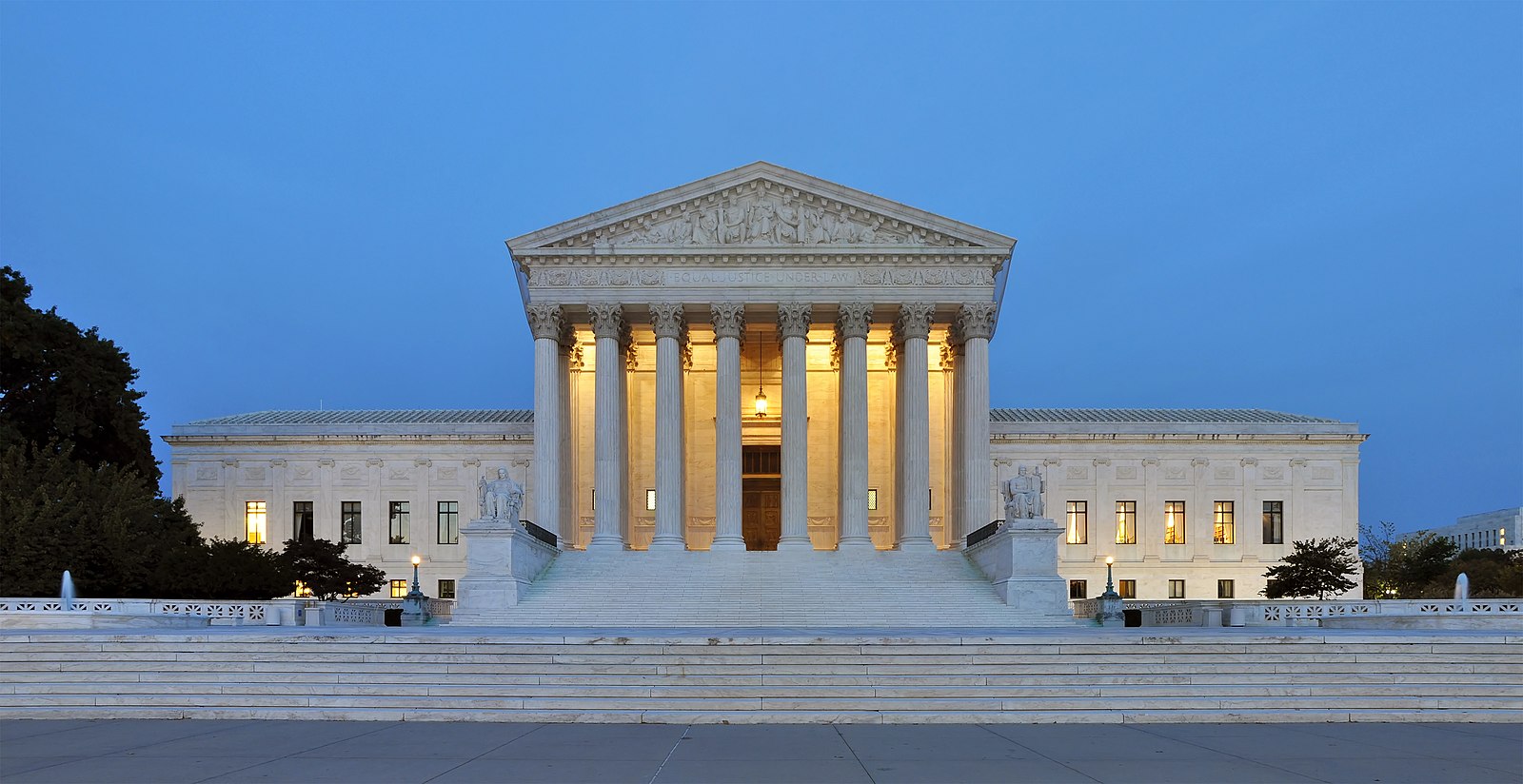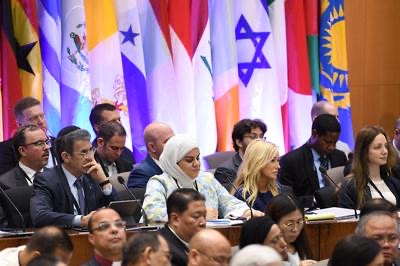
“Congress shall make no law respecting an establishment of religion, or prohibiting the free exercise thereof; or abridging the freedom of speech, or of the press; or the right of the people peaceably to assemble, and to petition the Government for a redress of grievances,” reads the First Amendment of the United States Constitution. The Bill of Rights, or the first ten amendments of the Constitution, are some of the most protected and principal rights of Americans. However, none are more prominent and well known than those mentioned in the First Amendment. First Amendment rights include religion, speech, press, to peacefully assemble, and to petition unjust governmental actions.
What makes these rights so important is that they are indisputably just and enable freedom of choice. They allow people to freely believe in and pursue their own opinions and ideas. They are designed to prevent suppression of opinions and to protect, not restrict, take away, or harm the rights of anyone else.
The first right mentioned is Freedom of Religion. Rights, such as Freedom of Religion, are often correlated with harmonious societies. However, there are positive, unanticipated consequences that result from granting the Freedom of Religion, and this matter has seldom been studied.
Economics of Religious Freedom
An article written by Brian J. Grim from Georgetown University titled, Is Religious Freedom Good For Business?: A Conceptual and Empirical Analysis, explores the economic impact religious freedom has on countries.
The study explores several different areas in which religious freedom benefits society and how religious restrictions serve as a detriment to society.
Grim wrote about how religious freedom creates peace and stability which will directly allow for more fluent business operations as well as greater socioeconomic results. As well, most countries that exercise freedom of religion are likely to grant other freedoms. “Religious freedom is also correlated with one of the key ingredients of sustainable economic development: lower corruption,” he wrote. Where there is freedom of worship and religion, there is seemingly less incentive to malfeasance.
Establishing his belief that religious freedom allows for better economic outcomes, Grim mentions six theories as to why this may be. The most accurate of his claims is the religious economy model which implies that religious activity is economic activity. “Religious freedom results in more religious activity, hence more economic growth.”
Several areas are studied within the inquiry such as GDP growth, competitiveness, and economic outcomes. The data accumulated in the study suggests that from a business and economic perspective, religious freedom is quite beneficial to society. It triggers global competitiveness as well as GDP growth.
Along with the uncoverings found within the study, religious freedom engenders more opportunities for businesses to thrive. If the freedom of only one religion is granted, the proscriptions of this religion would become the prominent focus of business opportunities. When religious freedom is unanimously granted, business opportunities remain everywhere.
What the findings suggest is that there are unforeseen results for people and politicians to advocate for religious freedom other than from a human rights standpoint.
Advocating For Religious Freedom
“Our Founders understood that no right is more fundamental to a peaceful, prosperous, and virtuous society than the right to follow one’s religious convictions,” said President Donald Trump who values “America’s first freedom.” President Trump believes in safeguarding religious freedom including allowing prayer in schools along with equal treatment of all practices and organizations. However, some have accused Trump of acting differently than his words, favoring Christian freedom over other religions.
An editorial from the Los Angeles Times suggests that while Trump claims that he favors religious freedom for all, he mainly favors it for Christians. The editorial explains how Trump has created an illusion through this “religious freedom initiative” that Christians in America are under attack and that action must be taken to prevent further harm. Part of the initiative is a reminder that voluntary prayer is allowed in schools which is a reaffirmation of an already existing law. The editorial insists that Trump has made this law appear as his own in order to secure a crucial Christian conservative vote in the 2020 election.
President Trump’s voiced decision to protect religious freedom, in this case, was made in terms of a freedom standpoint, and the data analyzed by Grim would only stoke President Trump’s support. Donald Trump runs a business and economic-based presidency and taking into account the great economic benefits that religious freedom rewards would only strengthen his stance on the issue.
Another prominent name in Politics, Ted Cruz, who ran for office in the 2016 election is a strong supporter of religious freedom. “I do not think the federal government should be able to force Catholic nuns or Priests for Life to pay for abortion-inducing drugs and others. I think that violates their free exercise rights,” said Cruz in 2018 at a hearing titled Threats to Religious Liberty Around the World. Cruz went on to mention circumstances beyond that of Christianity such as Jehovah’s Witnesses, Seventh Day Adventists, and Orthodox Jews. “To attack religious liberty is to attack the dignity of a person,” was his underlining remark. Cruz believes in protecting religious liberty at its fullest extent.
President Trump’s opposition in this upcoming election, Joe Biden, a Roman Catholic, also claims to support religious freedom but his record and presidential plans prove otherwise. He said in his plan to advance LGBTQ+: “Religious freedom is a fundamental American value. But states have inappropriately used broad exemptions to allow businesses, medical providers, social service agencies, state and local government officials and others to discriminate against LGBTQ+ people.” Biden’s statement indicates his desire to limit religious freedom in several aspects which opens the door for future exploitations on religious freedom including institutions potentially not being able to withhold membership priveledges of the LGBTQ+ practicing communities. Biden said in response to his Athenagoras Human Rights Award from The Greek Orthodox Church in 2015. “We defend religious liberty, not just because it’s a moral imperative because it improves and will improve the security of people everywhere against violent extremists.” Biden believes that religious freedom is not only important for those who practice it, but implies peace and tolerance, two virtues that the United States was founded upon. Conservatives have been apprehensive in supporting Biden’s religious freedom policy.
Exceptions to Religious Freedom
In a modern, American society, opposing the freedom of religion as a whole would be a very difficult political stance. However, the issue is not typically regarding one’s individual practices, but how they impinge on the practices and beliefs of others. Examples of this include refusing service to LGBT members or refusing to pay for birth control due to religious practices, similar to Biden’s stance. Politicians may favor the freedom of religion across all circumstances and others may believe that business cannot discriminate due to religious reasons.
Senator Kamala Harris from California, also under consideration for Biden’s running mate, believes that the government has the power to force non-discriminatory actions despite religious beliefs. This includes fighting Hobby Lobby’s supreme court petition for a religious exemption to not require the company to provide contraceptives to all of its employees pursuant to Obama’s contraceptive mandate.
Elizabeth Warren, another politician, that supports religious freedom in the same way that Kamala Harris does. Warren believes in religious freedom without the right to discriminate and believes attacks on women’s birth control access are an attack on women’s economic freedom.
In any of the political stances mentioned above, it is important to consider the findings in Grim’s article when making these decisions especially considering the fact that religious restrictions have increased globally from 2007-2017 according to PEW Research.
So what do these findings mean? The study suggests that religious freedom is not only something that should be supported due to its benefits but is easy to support. It suggests that religious freedom is not just a social issue, but an economic one as well, and provides the underlying fabric to a fully functioning democracy that provides a moral framework to help entice people to do good. In the political stances noted above, every statement considers the issue a social one. Typically issues are separated into the category of social or economic. For example, LGBT rights, gun rights, are social issues while tax rates and healthcare, are economic issues. Religious freedom can now be considered both. Religious freedom should not only be seen as a basic right and America’s first freedom but an economic catalyst as well.