The Top 20 Politicians in Utah

The people on this list are some of the most prominent Utahns in politics.  Some of them are enacting change within the state as others use their power on the national stage.  These politicians range from representatives in Congress to local politicians in Utah.

Considering the length of incumbency, national prominence, and influence on the legislative process and politics, we have compiled a list of the top 20 politicians in Utah.

20. Connor Boyack

Boyack is the president of the Libertas Institute, a conservative think tank based in Utah. Boyack is also the author of 29 books. He supports free markets and has advocated for legislation that supports the free market. The Libertas Institute has an 82% success rate in changing laws relating to privacy, drugs, property rights, and education.
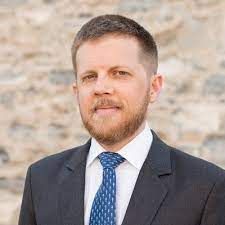
19. Derek Miller

Miller leads the state through the growth and development of the business community. As president and CEO of the Salt Lake Chamber and Downtown Alliance, he wields influence in attracting investment and increasing exports. His role plays a vital part in expanding Utah’s economy.
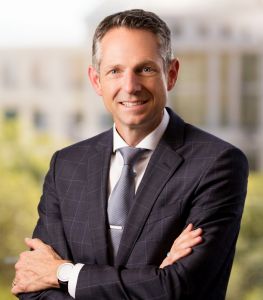
18. Brad Wilson

Wilson is a member of the Utah House of Representatives. He has held that position since 2010. He is the CEO of Destination Homes, a construction company. Wilson has served on the Davis County Economic Advisory Council and the Davis Chamber of Commerce.
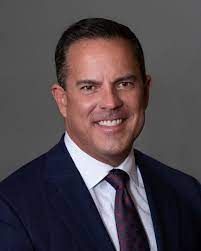
17. Sean Reyes

Reyes has been under the public eye since 2012 when he ran for State Attorney General. He also participated in national lawsuits regarding Obamacare and opioids. Recently, he has been criticized for joining other Republican Attorney Generals in a lawsuit to overturn the 2020 presidential election results. However, Reyes has not expressed any concerns against the criticism and could be planning to continue to play an esteemed role in government.
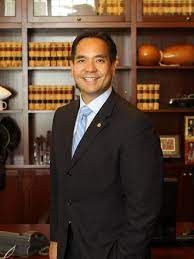
16. Jackie Biskupski

Biskupski caught the state’s attention as the second female and openly lesbian mayor. She developed the Growing SLC plan that has increased affordable housing to more than 2,000 units since 2016. She gained national influence as part of the U.S Olympics Committee in selecting Salt Lake City as a potential location for the 2030 Winter Games. Although she decided not to run for a second term as mayor, time will tell if and how she will progress her political career. If so, her platform as mayor will play to her advantage.
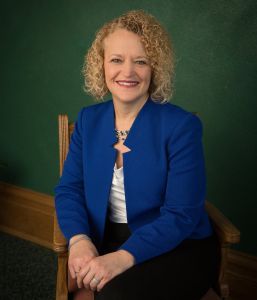
15. Stuart Adams

Adams is one of Utah’s state senators. He has been the Senate President since 2018.  He became a state representative in 2002 and a state senator in 2009. Adams has served on committees relating to public education, transportation, infrastructure, and labor.
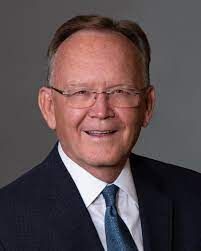
 

14. Francis Gibson

Gibson has been a member of the Utah House of Representatives since 2009. Gibson served on the Mapleton city council from 2003 to 2007. Gibson is currently on the state’s Public Education Appropriations Subcommittee and the House Law Enforcement and Criminal Justice Committee. In the past, Gibson has chaired the Education Standing Committee.
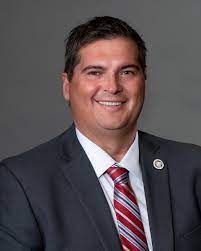
13. Rob Bishop

Bishop represented Utah in the U.S. House of Representatives from 2003 to 2021. Before working in Congress, Bishop was a state representative from 1978 to 1994, where he was the House Majority Leader at the end of his tenure. As a congressman, Bishop introduced legislation that would repeal funding from wildlife and land conservation.
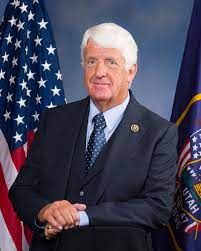
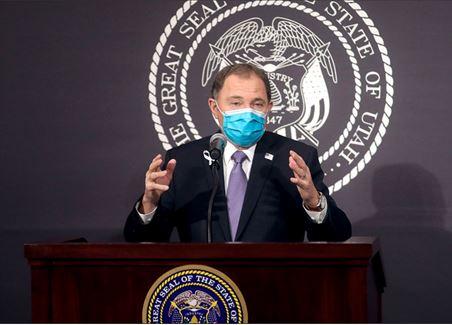
12. Gary R. Herbert

Herbert has held many political positions throughout his career. He served as the Lieutenant Governor of Utah from 2005 until 2009. He served as Utah’s Governor from 2009 to 2021. He led the growth of Silicon Slopes, the relocation of the prison, and oversaw the development of the Inland Port. His political portfolio wields an influence on whatever step he decides to take next.
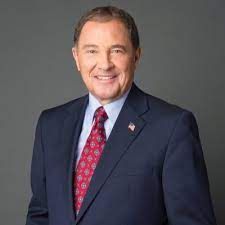
11. Spencer Cox

Cox was preceded by Governor Gary Herbert and assumed office as Utah’s Governor in January of 2021. Throughout his political career, he has led multiple efforts on issues such as homelessness, suicide prevention, bullying, and the current coronavirus crisis. As the Governor, he wields power through the bills he passes, especially in these areas of concentrated effort.
 

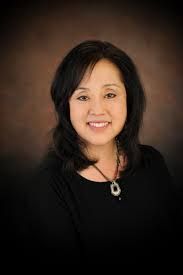
10. Jani Iwamoto

Iwamoto has been a member of the Utah State Senate since 2014. Iwamoto served as a member of the Salt Lake County Council from 2009 to 2013. Before that, she worked as an attorney. Iwamoto was the first Asian woman to hold office in Utah. She has sponsored legislation that promotes environmental justice, such as clean water and air. Iwamoto was elected to the position of Minority Assistant Whip in 2018.
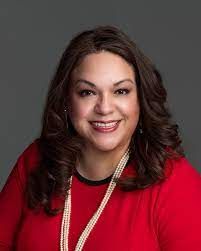
9. Luz Escamilla

Escamilla has been a member of the Utah State Senate since 2009 when she defeated the incumbent Republican, Carlton Christensen. Escamilla worked as a banker before turning to politics. Escamilla is currently a member of the Senate Health and Human Services Committee and the Senate Judiciary, Law Enforcement, and Criminal Justice Committee. Senator Escamilla is also the Minority Whip, meaning that she assists the minority leader.
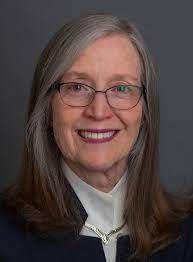
8. Ann Millner

Millner has been a member of the Utah State Senate since 2015. Before that, she was the President of Weber State University. Millner has sponsored legislation that expands public education programs and supports students. Millner serves on the Senate Education Committee and the Public Education Appropriations Subcommittee. Millner is currently the Majority Whip, meaning that she assists the majority leader and assumes his role when he is absent.
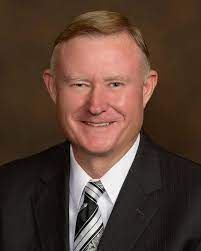
7. Evan Vickers

Vickers is the Senate Majority Leader in the Utah State Senate. He has been involved in politics since 2009 when he became a member of the Utah House of Representatives. Before becoming a politician, Vickers worked as a pharmacist. He has served on the Senate Health and Human Services Committee and the Natural Resources, Agriculture, and Environment Interim Committee.
6. Chris Stewart

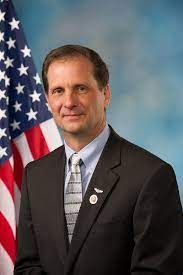
Stewart is a member of the U.S. House of Representatives. Stewart has represented Utah since 2013. Before venturing into politics, Stewart was in the U.S. Air Force.  Stewart has published 17 books. He is currently a member of the House Permanent Select Committee on Intelligence and the Appropriations Committee. Stewart has sponsored legislation that supports veterans and the environment.
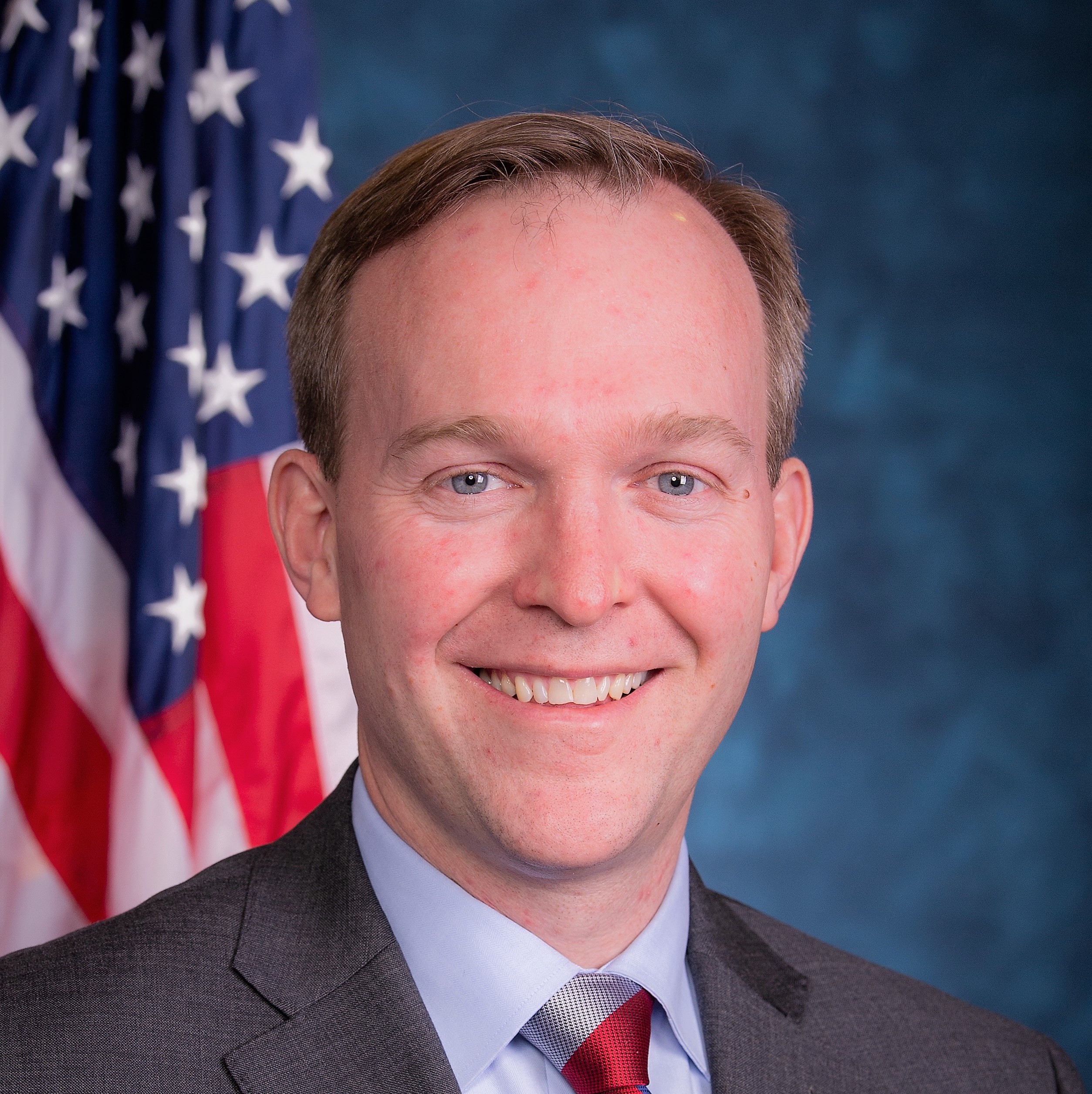
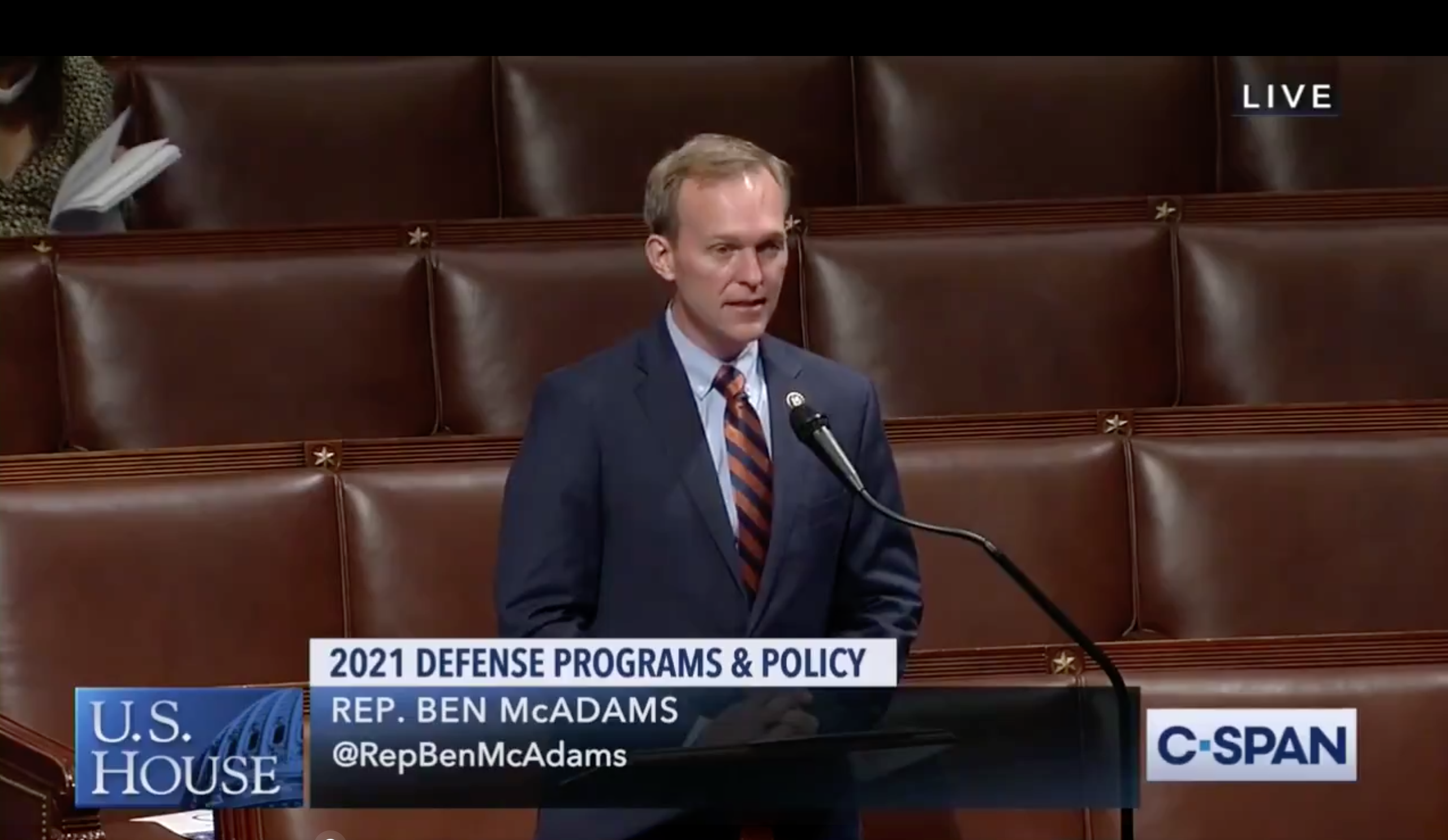
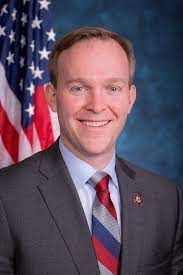
5. Ben McAdams

McAdams represented Utah in the U.S. House of Representatives from 2019 to 2021. McAdams was the only Democrat representing Utah in Congress. McAdams earned a law degree from Columbia Law School. He then worked as an attorney until 2009 when he became a state representative.  In 2012, McAdams became the mayor of Salt Lake City. He has supported pro-LGBT bills and has worked to end homelessness.
4. Mia Love

Love is a political commentator for CNN and a former U.S. Representative for Utah. Love made history as the first black person from Utah to be elected to Congress. She was also the first black woman to be elected as a Republican in Utah.  Before being elected to Congress, Love served on the city council of Saratoga Springs. She later served as the mayor of the city.

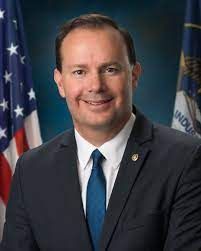
3. Mike Lee

Lee has served as the Senior Utah Senator since 2011. He voted against the Senate version of the AHCA along with several other Republicans which ultimately stopped the bill from proceeding. He was also among those who voted against implementing a carbon tax, or a fee on carbon emissions, which led to it not passing. However, sometimes he does support legislation that is supported by Democrats. For example, he was among a few Republicans that opposed a spending bill that would prevent another government shutdown. Due to these past experiences of being among a few that ultimately made a huge difference in the passing or vetoed legislation, his position and the choices he makes are significant.
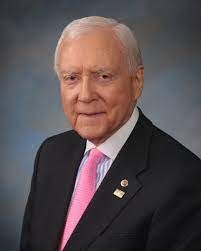
2. Orrin Hatch

Hatch is a retired politician who was a U.S. Senator. He was the longest-serving Republican senator, with a tenure of 42 years. Throughout his career, Hatch introduced legislation that would balance the federal budget. He opposed the Affordable Care Act, the DREAM Act, and the Paris Agreement. He chaired multiple committees, including the Senate Finance Committee and the Senate Committee on Health, Education, Labor, and Pensions. Toward the end of his career, Hatch was one of the most influential members of Congress, becoming the president pro tempore of the Senate.
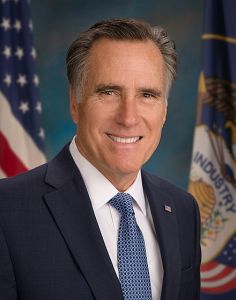
1. Mitt Romney

Romney assumed office as Utah’s senator in Congress in 2019. He was the Republican Party’s nominee for the 2012 presidential election. Before that, he was the Governor of Massachusetts from 2003 to 2007. Romney has been involved in politics since the 1990s. As a senator, Romney represents Utah in national politics.  He voted to impeach Donald Trump during both of his impeachment trials.
Mask Mandates and Individual Rights

A slate of businesses, cities, counties, and states are imposing requirements that all people wear masks in order to slow the spread of the coronavirus—as of now, 33 states have some measure of mask mandates, as well as a patchwork of local restrictions in places without such statewide orders.

However, many Americans have refused, many citing claims that mask mandates violate their personal rights: a meeting in Utah County protesting the mandate for masks in K-12 schools drew national attention as attendees shouted: “mandates are against freedom”.

But are they?

Mask Mandates And The Constitution

A lawsuit in Florida states the new mask mandate “interfere[s] with … personal liberty and constitutional rights, including… freedom of speech, right to privacy, in addition to the constitutionally protected right to enjoy and defend life and liberty.” The lawsuit asks for a permanent injunction that would prevent the mandate from taking effect.

The First Amendment protects the freedom of speech, of the press, religion, assembly, and petition, and as Constitutional scholar, John Finn states, “mask mandates don’t violate the First Amendment.” A mask doesn’t prevent someone from speaking, and though it could be argued that it limits where and how one can speak, who they can reach with their words, those restrictions are not governed under the First Amendment as they do not restrict the content of the speech. “Time, place, and manner” restrictions already exist and have been upheld, such as laws preventing political campaigning near voting booths.

Another argument from farther north in Maryland is not that a mask mandate restricts speech, but that it forces speech. The District Court of Maryland disagreed, though, stating in Koa v. Maryland that “Requiring necessary protective equipment be worn to engage in certain public activities is simply not the equivalent of mandating expressive conduct.”

And the Constitution is more versatile than many believe. The Tenth Amendment gives states what is known as “police power”, which gives states the power to make laws to protect the “health, safety, and welfare of the public.” Finn cites the case of Prince v. Massachusetts, in which the Supreme Court found that parents could not use children to distribute religious pamphlets in violation of child labor laws, despite the argument that doing so violated the right to freedom of religion.

The other common objection is the “right to liberty”—the constitutional protection to individual autonomy. But, like the question of First Amendment rights, there is precedent to draw upon, drawing from the influenza pandemic a century ago and decades of rulings on vaccinations. In 1919, against a strikingly-similar backdrop of a deadly pandemic and public pleas to wear face coverings, the Supreme Court of Arizona stated that “Necessity is the law of time and place, and the emergency calls into life the necessity…to exercise the power to protect the public health.”

The ‘individual liberty’ argument has also been addressed via the state power to mandate vaccinations—most notably in Jacobsen v. Massachusetts, decided in 1905, in which the Supreme Court upheld a smallpox vaccine mandate in Cambridge, Massachusetts. Though the ruling is more than a century old, it still exercises considerable precedent over public-health rulings, forming part of the basis in the 2020 Supreme Court ruling in South Bay United Pentecostal Church v. Newsom, which upheld restrictions on religious gatherings in the face of the pandemic.

In South Bay, Chief Justice Roberts writes:

Our Constitution principally entrusts “[t]he safety and the health of the people” to the politically accountable officials of the States “to guard and protect.” Jacobson v. Massachusetts, 197 U. S. 11, 38 (1905). When those officials “undertake to act in areas fraught with medical and scientific uncertainties,” their latitude “must be especially broad.” Marshall v. United States, 414 U. S. 417, 427 (1974). Where those broad limits are not exceeded, they should not be subject to second-guessing by an “unelected federal judiciary,” which lacks the background, competence, and expertise to assess public health and is not accountable to the people.

In essence, South Bay—based on the Jacobsen ruling—gives wide latitude and deference to public health experts so long as the measures are neutral, generally applicable, and have clear justification. A mask mandate, especially in the face of a pandemic with “no known cure, no effective treatment, and no vaccine,” meets those requirements.

State Laws and Mask Mandates

Nor do mask mandates violate state constitutions and laws. Most states, such as Texas, have laws relating to disasters and public emergencies that give the government broad leeway to respond. All 50 states (plus Washington D.C. and four territories) have declared states of emergency, allowing them to receive additional aid from the federal government as well as impose restrictions such as limitations on gatherings and movement and mask mandates that would have been struck down in ordinary times.

And state laws also allow for businesses and localities to impose their own mandates, especially in places where the state at large has not yet required masks. Andrew Bibby, assistant director at the UVU Center for Constitutional Studies, says “People are surprised to find out how much power states have to make their own decisions when it comes to public health…most states allow their businesses to hang signs that say ‘No shirt, no shoes, no service.’ We should not be surprised if most states allow businesses to add ‘no mask.'”

This control of public health can be seen in ordinances restricting smoking, for instance: state governments and businesses are permitted to restrict when and where citizens may smoke because they have the authority to protect the health of the general public. In 2002, for example, an Ohio court found that no Constitutional protections upheld the “right to inflict health-destructive secondhand smoke upon other persons…”.

Finn concludes that our constitutional rights “are held on several conditions. The most basic and important of these conditions is that our exercise of rights must not endanger others (and in so doing violate their rights) or the public welfare”. During a pandemic, reasonable restrictions on our liberties are almost required because doing otherwise will almost certainly (and already has) infect and kill large numbers of our fellow citizens. And these reasonable restrictions are required because they work—in Utah, the most densely-populated county has seen its numbers fall after a mask mandate:

Even the famously libertarian Cato Institute states that restrictions such as mask mandates are necessary. “These sorts of restrictions end up maximizing freedom,” Ilya Shapiro writes. “The traditional libertarian principle that one has a right to swing one’s fists, but that right ends at the tip of someone else’s nose, means government can restrict our movements and activities because we’re all fist‐swingers now.”

Ben McAdams on What’s Needed to Reopen Schools

This is the second half of an interview on July 10th with Ben McAdams, representative from Utah’s Fourth Congressional District, about some of the legislation he’s recently sponsored. The first part of the interview can be found here.

Charles Bonkowsky: You also recently signed onto the “Protect Our Children from COVID-19” act, which would require the Health and Human Services to study the role of children in transmitting that virus. So this is a topic that, you know, is sort of on everybody’s minds as we figure out schools in the fall, so—as I guess a broad question to start this off: do you think schools will be able to reopen in the fall, and should they?

Ben McAdams: I think the decision about whether schools should open or not really needs to be made at the local level. This virus is continuing to make its impact felt across our country, and some places are being hit harder than others, and the risks are different in different places. So I really think that a one-size-fits-all national response to school openings is not the right approach. We need to trust our states and our local school districts to make the decision that’s right based on their respective circumstances. There’s a lot we don’t know about this virus—I’ve had the coronavirus, I was very sick with it, I’m better now—but let me tell you that it’s something we should take very, very seriously and every one of us should take responsibility by wearing a mask and social distancing and doing everything we can to slow the spread of it. I hope, as a parent of four young kids, I hope that schools are open in the fall and that my kids will be able to go back to school—I think there’s a cost to not reopening the schools that’s very real as they miss those really important learning opportunities as, you know, these young kids. So I hope that they’re able to go back to school, but I think we need to balance, you know, all those factors: the cost of not going to school versus the risk and the human cost of the virus.

CB: Right. You said it should be a more local decision?

BM: Yeah.

CB: So then what are your thoughts on the recent push by the president, the head of the CDC, the Secretary of Education, on trying to get schools open in the fall? Do you think that’s the right way to go about it?

BM: No. I think we should be doing what we can do to support the schools in reopening, not bullying them into reopening regardless of the consequences. So I think there’s a role, maybe, for some federal support, federal funding. If schools need funding for masks or funding for plexiglass or ventilation systems, or things like that where we can support the infrastructure that will facilitate the reopening of schools, I think that’s an appropriate federal role. But the federal government can’t make a one-size-fits-all determination that every school in this country should open. That really needs to be done by people who are on the ground, who know the circumstances of their particular state and even the school building: what the school building’s like, what the school population’s like, what the status of the virus is in each community, it needs to be a local decision. I think it’s important for the country that our kids receive an education and there’s a cost for them missing school, so I think there’s a—it’s certainly in our interest to support school reopening, but by no means should we be dictating school opening.

CB: Okay. The “Protect Our Children From COVID-19” act, it sponsors testing by Health and Human Services to see how children transmit the virus. Do you have any ideas, when schools make the decision on whether to reopen or not, on what you think we need to know about school reopening, and what do you think we need to be doing so that states and local districts can be making those decisions?

BM: You know, certainly, access to testing so that when there are outbreaks we can react appropriately and stop the spread so that it doesn’t get bigger. I think there’s a lot we need to know about this virus, still so much we don’t understand. The latest on the virus seems to say that it is transmitted by air and not so much on surfaces—I think that’s important to know. You know, how much do we need to be disinfecting every surface? How long does the virus live on a surface indoors? Or, if it’s more airborne transmission, then things like masks and plexiglass are more important. So making sure we understand how the virus is transmitted, how in particular kids transmit or get the virus—and in many cases they’re asymptomatic, so making sure that there’s available testing to identify those asymptomatic cases so they don’t become “silent spreaders” of the virus throughout the entire community. And so I think there’s just a lot that we need to know, and if we want to see the schools reopen, having information is an important foundation to reopening schools.

CB: Do you think the mask mandate in K-12 schools—in all Utah schools—is a step in the right direction for that?

BM: Yeah, I think it’s a step in the right direction. I know, as a parent of four young kids, that it’s going to be harder to enforce in some of the younger ages, you know—try telling a kindergartener that they can’t take off a mask—so there’s going to be some enforcement issues, you know? Actually, ‘enforce’ is the wrong word, not every kid’s going to follow through on that, but I think it’s a step in the right direction.

CB: Right. I was recently talking to a physics teacher at West High, and she said that it seems like a lot of the burden of reopening seems to be placed on the teachers. Do you have thoughts or ideas on how to address these concerns?

BM: Well, I think that, you know, one of the concerns is many of your teachers are going to fall into risk categories. Like everybody across society, they’re going to have different levels of risk, and they may be concerned about their own exposure, so reopening schools without consulting teachers about how we can make them feel safe is not—it’s not only about the kids, but also about our teachers and making sure our teachers feel safe coming back is an important part of the equation. I worry that not enough focus has been placed on that at this point, and so there’s certainly more work to be done on how we can make the workplace safer.

CB: You talked about funding a little bit, so—there have been a lot of reports saying that for schools across the US, it will take billions of dollars for reopening safely. So where are you standing on the funding for schools in the stimulus package that’s planned for August, I believe?

BM: Yeah. Well, I voted against the—which stimulus are you talking about? There’s an infrastructure package that the House voted on a week ago that had some school funding, and that was more school construction. I had some—that bill I had some concerns with, and voted against it, but August—like I said, I don’t know what bill you’re talking about. We’re talking about an additional coronavirus response legislation that would pass at the end of July, but that’s still being negotiated.

CB: Okay, yeah, I think it’s one of the bills being negotiated.

BM: Yeah. So I’m open to some funding to help support schools in reopening and making sure it’s safe for students and teachers. For the reasons I laid out, there’s probably—that is an appropriate role of the federal government, not just mandating that they open in a one-size-fits-all fashion without offering support to have that. To have them do it safely is what I’m concerned about.

CB: Right. There’s also been some discussion of having schools cut a lot of programs that wouldn’t be viable during coronavirus—like sports, moving classrooms together, which might reduce some of the funding they need. Do you think that’s something that should be explored, or do you think that it should—that we should give them the funding they’re calling for now without additional cuts?

BM: Well, I think that again, that’s going to be a local decision, how to manage their budget, and do it and still meet their core functions. I’m a believer that some of the arts, the humanities, and even  sports are an important part of the well-rounded education, so I’d hope that that is not a permanent change. But, you know, I think that is probably something which needs to be done and decided on a local basis by the school boards who reflect their community, who know their budgets. I don’t think it’s an appropriate role for the federal government to really dictate what those decisions are. But as a parent, I would say, I hope that we can find a way—I would be understanding if there were short-term disruptions to some of those programs, but I think it’s such an important part of a well-rounded education that I’d hope it would only be short-term.

CB: And then one more thing which has cropped up recently is the—international students, the new immigration restrictions.

BM: Yeah.

CB: You signed a letter with John Curtis and other Utah representatives about international teachers, visa restrictions—do you think there should be similar action to protect international students with the new immigration stuff that says if a school goes fully online, students will have to transfer or leave the country?

BM: Yeah, I’m really concerned about that. It’s good for the United States to have people come here and study, and I worry, you know, it would really leave a lot of people high and dry and unable to complete their studies. So I think these are extraordinary circumstances and I think we need to approach it with an understanding viewpoint that we’re going to have to make accommodations and allow students to complete programs that they’ve spent years preparing for and they’re oftentimes spending their entire savings to complete an education. I think we need to take that into consideration and, just as we are in so many other areas of society working to make the best of a really bad situation, I think we need to do that in this area as well.

CB: Right. So, I don’t know how much time we have, since those were the two topics I wanted to talk to you about, the nuclear testing and school reopening. Is there anything else you want to talk about or you think is important that people should know about what you’re doing?

BM: No, I think—we are in this country in crisis, in many ways, and we’ve got to find a way to come together and find common ground. You know, I have my opinions about what I think are the right approaches to solving many of these challenges that we’re facing, but above all, I think we’ve got to sit down, Republicans and Democrats, and find common ground and be willing to—all sides—to make concessions in order to get something done, because the American people can’t—we’re not going to get past this crisis with idealistic positions on both sides that sit on the shelf and never get implemented because we can’t find common ground. So I think it’s important that we recognize that we’re going to have to be flexible and willing to meet in the middle on a lot of these things.

Ben McAdams on the Push for Resuming Nuclear Weapons Testing

This is the first half of an interview on July 10th with Ben McAdams, representative from Utah’s Fourth Congressional District, about some of the legislation he’s recently sponsored. The second part of the interview can be found here.

Charles Bonkowsky: So I wanted to talk to you about some of your recent legislation you’ve signed onto or sponsored. Some of that you’ve talked a lot about recently is your push to ban—to prohibit nuclear weapons testing in the spending bill.

Ben McAdams: Yes.

CB: Do you want to talk a little bit about why you think that’s so important?

BM: Yeah, I’d be happy to. So, Utah has a—a long history of nuclear testing. One of the primary sites for testing nuclear weapons in the 50s, 60s, 70s, and 80s, so almost four decades, was in the Nevada desert. So they tested almost a thousand nuclear bombs in the Nevada desert, and in many cases, that spread fallout over Utah. And so many people who we call “downwinders”, people who were downwind from those tests, have developed cancer and are dying from their exposure to nuclear fallout from the testing. And the government, all that time, had a very active propaganda campaign telling people that it was safe, there was nothing to worry about from these tests, and ultimately, you know, it came out that they were lying, that the government knew that these tests were deadly and simply misled the public on that so they could conduct the tests.

And so the United States Congress passed a law in 1992 called RECA—R-E-C-A, which stands for Radiation Exposure Compensation Act—and it provided compensation for many of these downwinders who were exposed as a result of the tests. So, RECA is set to expire in 2022, and there’s still a lot of people—we know now, because of medical science, that the exposure is much broader than we even anticipated, and so the numbers of people who were impacted by this is large, and ongoing. And so, while RECA is set to expire, I am cosponsoring legislation that would extend RECA to the year 2045 and expand the eligibility for people who weren’t eligible—it was really only applied to about nine counties in Utah, and we’re expanding it to a broader area where we know the fallout went and people were exposed.

So that’s one piece of my effort, and then the other is to stop new nuclear testing. The Trump administration is proposing that the United States again start testing and developing new nuclear weapons. And I—especially Utah’s history with this, I don’t think it’s right for our country to resume nuclear testing and I don’t think it’s good foreign policy and I think the tests need to—that’s not a path we should go down. So [I’m] working to prohibit and block any funds that would go toward nuclear testing in the future. And so we’re working in the appropriations bill—I’ve also introduced an amendment to the national defense authorization bill that would prohibit any funds to go towards new nuclear testing.

CB: Alright. You said the number of people who are getting eligibility is much higher than before. Do you know how many Utahns have been affected by this downwind fallout, or how many would be receiving benefits?

BM: Well, it’s hard to say. We’re looking at criteria: can they establish that they lived in Utah at the time they developed cancer as a result of those tests, so—they’d have to establish their eligibility, but currently, the eligibility is really only limited to the nine Utah counties. We know now that fallout blew into Utah County, into Salt Lake County, really across the entire state of Utah and even into Wyoming and Montana depending on which way the wind was blowing on the day of the test. And so it would expand it to many of those states and then the individuals would have to establish, you know, that they were exposed and developed cancer as a result and then they would be eligible for compensation. I just don’t think it’s right that they’re paying expensive medical bills for cancer diagnosis for something that happened to them because of our own government’s deception.

CB: Do you think this is a partisan issue?

BM: No. The fallout affected Republicans and Democrats alike, you know, and it wasn’t a partisan issue when RECA was adopted in 1992. President Ronald Reagan led on nuclear test ban treaties in the—he made a lot of progress in the Cold War, in stopping nuclear testing and stepping back from the brink with nuclear weapons. And I think this is something we should all care about, Republican and Democrat.

CB: So, something I was wondering about is there’s the amendment on the House bill which would prohibit funds for explosive nuclear testing, and then there’s also the PLANET Act which you’ve cosponsored recently. It seems like they…sort of do the same thing, so just for people wondering, could you explain what the difference between that act and the section in the appropriations bill?

BM: Yeah, they’re actually very similar. The PLANET Act is the language that then got amended into the appropriations bill. It’s more of a strategic approach to it: I’m working to put it in the defense authorization bill as another method to pass it, you know, I don’t know which bill is going to be successful and what avenue is going to be the best avenue for getting these prohibitions on spending for new nuclear testing, where we get that done. So I think it’s just having multiple venues for accomplishing the same goal.

CB: On the topic of nuclear testing, you mentioned foreign policy: what are your thoughts on the international implications—the administration has claimed that this is sort of to deter other countries like China and Russia, strengthen the US position…what are your thoughts on that argument for resuming nuclear testing?

BM: Well, I—I believe in having a strong national defense, that we protect American interests at home and abroad. Nuclear testing—we have, you know, and our national security experts will attest that our nuclear arsenal is robust and more than adequate, and so I don’t think we need new nuclear weapons. The world has also changed; I think the geopolitical dynamic has changed, where before it was the United States and Russia in a cold war and—the landscape has changed now, with so many different entities and risks on the national stage, from terrorist groups to small—state-sponsored terrorism. I’m not convinced that growing our nuclear arsenal adds anything to our national security, and it may distract from other risks to the United States that we should be focused on, national-security risks.

And in regard to nuclear weapons, we should focus on making sure our nuclear test-ban treaties are strong, and that our competitors around the globe are also adhering to test-ban treaties, and let’s hold each other accountable to not testing nuclear weapons, you know, rather than letting everybody walk away from these agreements that we entered into during the Reagan administration.

CB: Yeah—the US has signed onto the Comprehensive Test Ban Treaty, so are you worried that, if we resume our testing, it will be seen as giving other countries the “green light” to resume their own testing?

BM: Exactly.

The Utah Gubernatorial Primary

Against a once-in-a-century pandemic, Utahns have until June 30th to mail in their ballots for the state’s primary election. There are various Democratic & Republican down-ballot contests across the state (and depending on congressional district), but the most-watched is surely the Republican primary for governor. Four candidates are competing for the nomination in what looks to be a close race, not to mention Utah’s first primary conducted entirely by mail.

So: who are the candidates, and what are their visions of Utah? What does the race look like, and what does the winner face in November?

The Candidates

Spencer Cox/Deidre Henderson

Cox is the current Lieutenant Governor of Utah and has already picked up some notable endorsements, including that of current governor Gary Herbert and more than half of Utah’s mayors. However, his campaign has come to be defined by the coronavirus, as Cox is the head of Utah’s pandemic taskforce, in charge of coordinating the state’s response. He seeks to cast that experience as vital for a governor who will have to lead Utah out of the damages caused by an economic shutdown, not to mention face a possible second wave of infections, saying in a debate that “[Utah] is better off than any other state in the country and the people of Utah know that,” and in a statement to KUER that “Now, more than ever, Utah needs a prepared and proven leader”.

His campaign platform has also changed with the pandemic: while before the onset of the coronavirus, he described one of his most important issues as continuing the growth of Utah’s economy that began after the recession, now he looks to rebuild that economy. Other issues central to his vision of Utah include changing the education system to minimize federal involvement and give local districts/cities more control over their hiring and curriculums.

Beyond that, Cox has largely been seen as the most moderate of the Republican candidates: in a May poll, he won over self-described ‘moderate conservatives’ by double-digits while tying ‘strong conservatives’ with former Utah House Speaker Greg Hughes. That said, he hasn’t fully embraced that view. When asked about it shortly after launching his campaign, he said that “I think sometimes we confuse kindness and moderation…people see somebody who tries to be kind and listen to others and thinks, ‘Oh, well, he must be a moderate.’ I do have some very conservative views…” (such as strong Second Amendment support, opposition to abortion, and lowering taxes)

In essence, Cox is running a fine line between two groups of people who will vote in the primary: the moderate Republicans and even Democratic crossovers on one side, and the strident conservatives on the other. To be seen as too conservative will likely pull that moderate support towards Jon Huntsman Jr.—but if voters think Cox is too moderate, they will lean towards Hughes instead, who has already criticized Cox over his comments towards the president.

Jon Huntsman Jr./Michelle Kaufusi

In contrast, Huntsman has stuck by his moderation despite its costs of strong conservative support. Some of that may be simply because of his political record: as governor of Utah, he supported many of Obama’s policies like the economic stimulus plan, a carbon cap-and-trade bill, and civil unions for same-sex couples, not to mention serving under Obama as ambassador to China. Now, he seeks to return to the governorship with a promise that his experience as ambassador will make Utah competitive not just within the US but on the world stage.

Like Cox, one of Huntsman’s first priorities is revitalizing Utah’s economy, which he sets as a precursor to his “Utah Unlimited” plan, which Huntsman claims will more than double the state’s GDP. This growth, he claims, will be created largely in the fields of biotechnology, defense, and financial services. Other priorities on his list include giving the state and local communities greater control over Utah’s public lands, improving air quality across the state, and giving people access to mental health resources (especially as rates of depression and suicide have skyrocketed in Utah and other Mountain West states).

Will it be enough? For much of 2019, Huntsman led in polling, but sometime around March 2020—when the pandemic made its impact in the US—he lost that lead to Cox. In the most recent poll, he and the Lieutenant Governor are polling within three points of one another, and it seems likely that the race could tip either way. If it does lean towards Huntsman in the end, he may have an unusual constituency to thank: Democrats and more progressive voters.

Since Utah is an overwhelmingly Republican state, many Democrats and independents (such as former state senator Jim Dabakis) are registering as Republicans to have a say in the primary (which is closed to only registered party members). Huntsman leads among that group 42% to 30%, and it may be the votes of the only-temporarily-Republicans that could hand him the nomination.

Greg Hughes/Victor Iverson

While many have described the Republican primary as a “two-person race” [between Cox and Huntsman], the candidate most likely to break into that race is Greg Hughes, former Speaker of Utah’s House of Representatives. In the Republican convention, he beat out Huntsman for second place (and, more importantly, a spot on the primary ballot), and has surged in more recent polls to trailing the two frontrunners by only single digits, the biggest change in polling so far in the race.

Hughes seeks to sell himself and Washington County Commissioner Victor Iverson as the “conservative ticket”, and has tied his fortunes to that of President Donald Trump in the state. Hughes was an early supporter of Trump during the 2016 primary, and has run ads featuring the nickname given to him by the president: “The Original”, as well as attacking Cox for distancing himself from Trump. Hughes is also the only candidate of the four who doesn’t believe in human-caused climate change, and boasts about his opposition to the Affordable Care Act.

Fighting to earn the votes of the most conservative voters also puts Hughes most at odds with the current governor—he gave the state a ‘D’ rating for its response to the pandemic, calling it a “heavy-handed lockdown” and referring to a short-lived effort to track entrances into Utah as “communist-style snitch hotlines”.

It remains to be seen whether Hughes will benefit or suffer from his association with the president. Despite Utah’s heavy Republican lean, Trump is not particularly popular in the state, with recent polls showing Trump leading former vice president Joe Biden by only three points (though Trump’s approval remains higher among registered Republicans).

Thomas Wright/Rob Bishop

If Hughes is the conservative candidate, Wright seeks to portray himself as the outsider. The former chair of the Utah Republican Party and the owner, president, and principal broker of Sotheby’s International Realty, his pitch to voters is that a combination of business and political experience will let him make the best decisions for the state of Utah.

He lists his top priority as reopening the economy and getting Utahns back to work, using vocational schools to retrain unemployed workers and cutting items from the budget when necessary. Wright has also called for development of an efficient mass transit system in order to take cars off the road and improve air quality, as well as policies addressing education, housing, and rural development, which all candidates agree need to be addressed.

Wright’s campaign hasn’t taken off, however, even as ballots are being sent out — he hasn’t gotten above 10% in any primary polls. Though he claims internal polling still shows a path to the nomination, his voters may instead be the kingmakers in the race between Cox, Huntsman, and Hughes, for Wright’s own path is difficult to see so late in the race (barring a drastic change in the state of the primary).

What Comes Next

Whoever wins the Republican primary will face Democrat Chris Peterson, a professor at the University of Utah and former official in the Consumer Financial Protection Bureau. One of his top priorities is challenging predatory loan companies in the state, as well as expanding access to health care, which he calls a ‘basic human right’. He was chosen at a virtual Democratic convention with more than 88% of the vote.

Peterson acknowledges that his campaign will be a “tough uphill climb” in a state that hasn’t elected a Democratic governor since Scott Matheson in 1980, which is also the reason many Democrats are switching registrations. The race is rated Safely Republican, meaning many believe the candidate who wins the Republican primary will be Utah’s next governor come November.

Utah’s 2020 Gubernatorial Race

In light of a pandemic and racial unrest, Utah is looking for a leader who can lead them through these hardships and take control. As of right now there is 1 democrat and 4 republicans running for governor in the 2020 Utah gubernatorial race.

The Candidates

Chris Peterson

To start, there is Chris Peterson, democratic nominee for governor. He is a professor of law at the University of Utah, and previously worked for both the U.S. Department of Defense and the Consumer Financial Protection Bureau. He believes in helping Utah on a smaller level by helping build up small businesses and local family farms, and on larger issues such as promoting clean air in Utah and providing more funding for Utah’s school systems.

Spencer Cox

In no particular order, the first republican running for Utah’s governor is Spencer Cox. Spencer grew up in Utah and currently serves as lieutenant governor, and previously served as a councilman, mayor, and state representative. With his history in law and politics, it shouldn’t come as a surprise that he strongly supports the constitution, specifically citizens’ second amendment rights. Similar to Peterson, he also supports increased funding for Utah’s school systems. He also believes in preserving Utah by supporting its rural area and managing public lands fairly.

Greg Hughes

Next is Greg Hughes, former speaker for the Utah House of Representatives. Hughes is a small business owner who moved to Utah for college and didn’t leave. He is a strong supporter of the second amendment similar to Cox and also wants to support veterans and their families, which shows by his creation of the Utah Department of Veterans’ and military affairs.

Jon Huntsman Jr.

Third is Jon Huntsman jr. who has participated greatly in national politics, serving as both U.S. ambassador to China and U.S. ambassador to Russia. He has also served as governor of Utah before. Like Peterson and Cox, Huntsman wants to create better support for Utah schools. He also has a similar stance to air quality as Peterson, wanting to improve air quality. One area Huntsman wants to focus on is mental health and making sure that people get the help that they need.

Thomas Wright

Last but not least is Thomas Wright. Born and raised in Utah, Wright currently lives there with his wife and children. He owns a self built reality business. He recently represented Utah in the Republican National Committee. He stands with most of the other candidates wanting to increase funding for Utah schools. Included in funding for Utah schools he believes that mental health should be focused on in schools. He also is behind the second amendment, similar to Cox and Hughes.