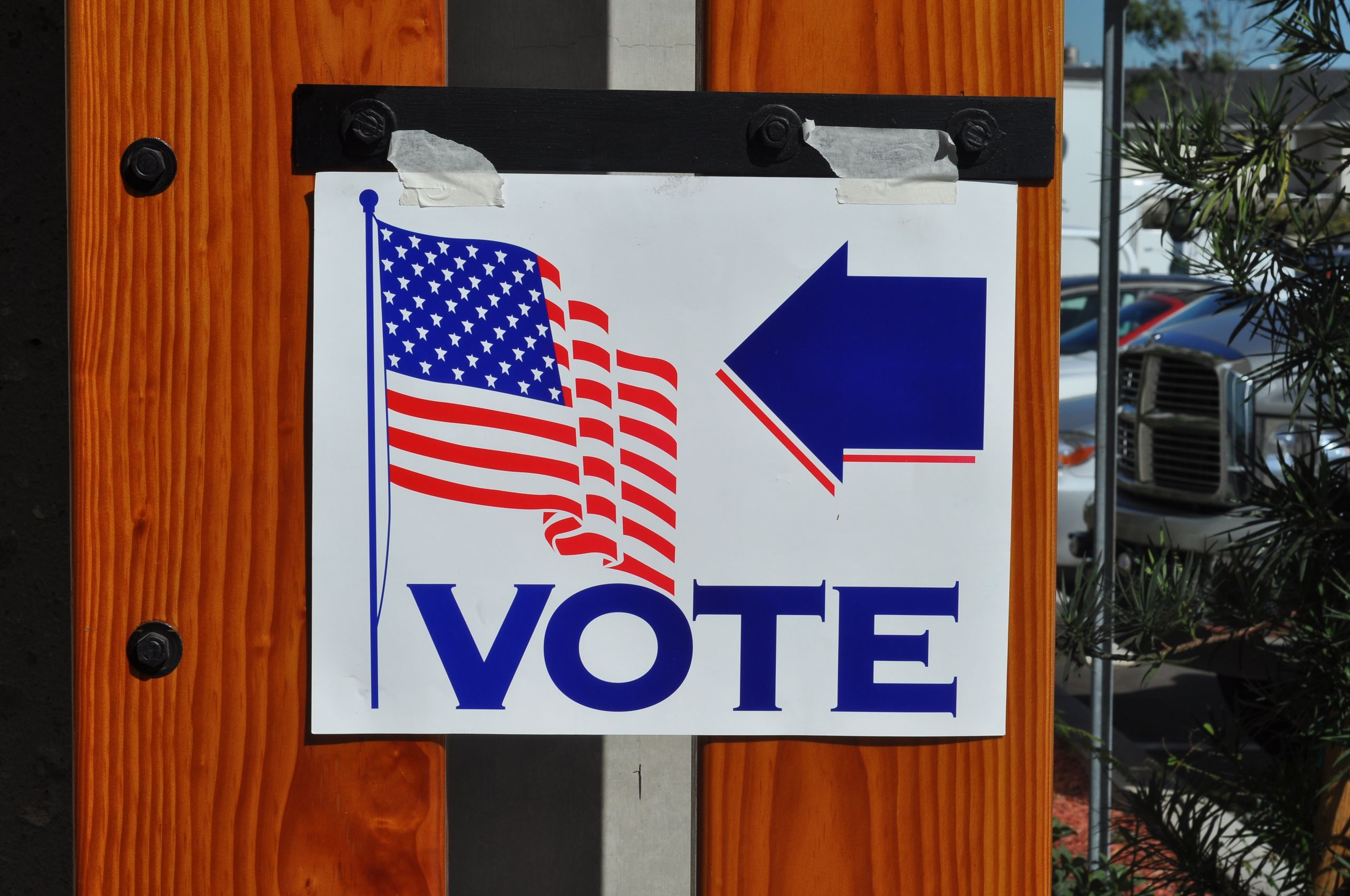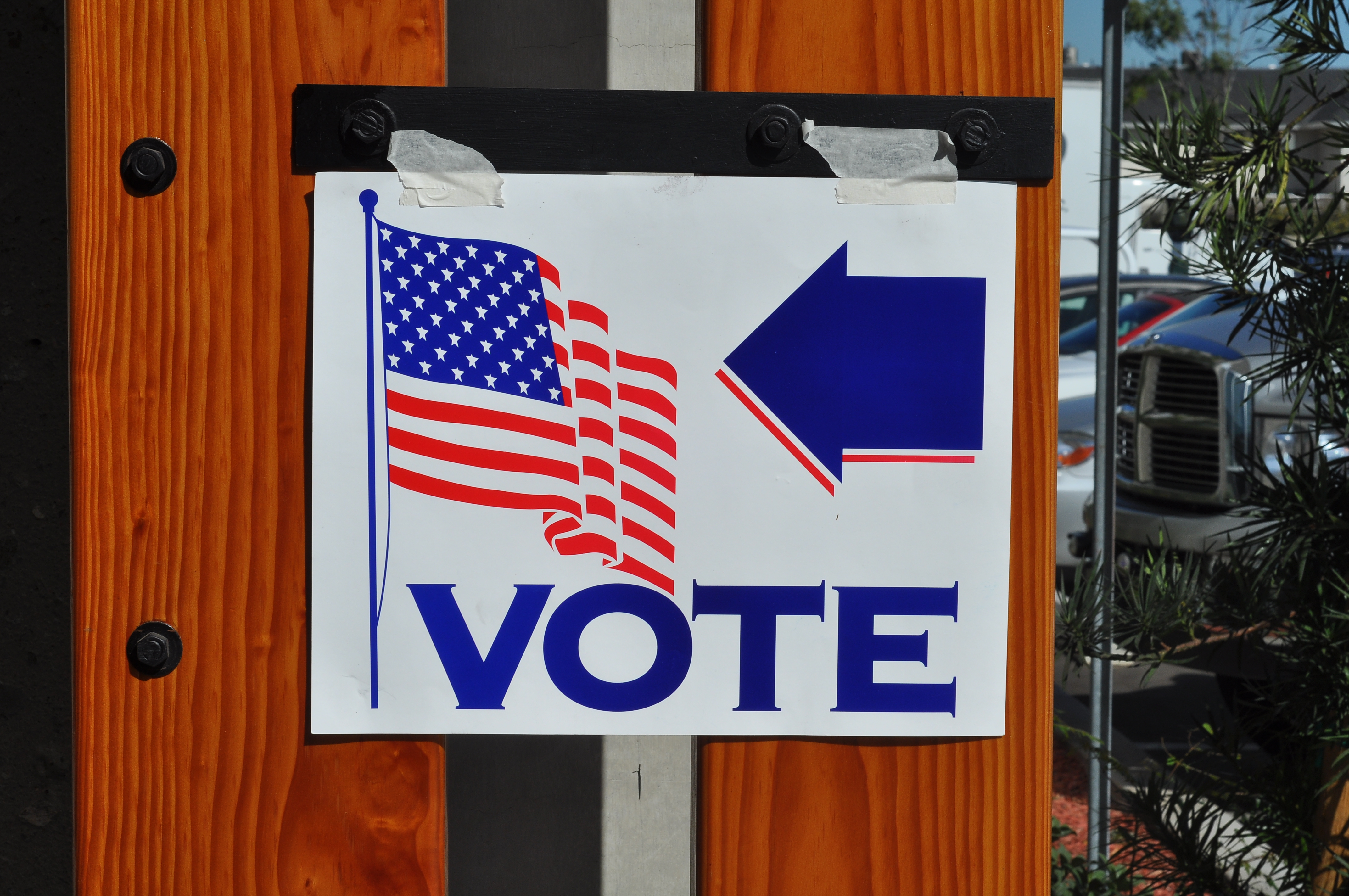
With the 2020 presidential election quickly closing in, voting rights are once again coming to the forefront of debate. Some worry that the obstacles to vote are far too great to guarantee equality in access and ability to exercise the right to vote. Others are not sure about eliminating barriers due to concerns about the possibility of increasing instances of voter fraud. As equal representation persists as a fundamental ideal of democracy, the question of how voting rights should be protected is pressing.
The Right to Vote
In the United States, voting laws are dictated by Article 1 of the Constitution. The text assigns states the authority and responsibility to oversee federal elections. In addition, constitutional amendments have been passed that broaden suffrage to women, African Americans, and citizens over the age of 18. Despite the explicit decision by the Founding Fathers to take a federalist approach to elections, legislation and mandates have been enacted at the federal level in the form of anti-discrimination provisions in the Civil Rights Act and the Voting Rights Act of 1965. However, within the system of checks and balances, the Supreme Court decision in Shelby County v. Holder invalidated the Voting Rights Act’s requirement for states to receive federal preclearance before changing their voting laws. Ultimately, this curbed the power of the legislative branch and returned power to the states.
While many see the federal government’s inability to dictate voting standards as a failure to guard against voter suppression, allowing states to dictate their own laws simply creates a diverse legislative engagement with voting rights. Controversial requirements such as voter ID regulations are enforced differently and to varying extents, depending on the state.
Types of Voting Suppression
In order to understand many Americans’ desire for better voting rights protections, it is important to understand the different aspects of voting suppression. Voter suppression occurs when certain individuals are unable to exercise their right to vote. The most famous form of disenfranchisement is voter ID requirements. States who institute voter ID laws require some form of ID in order to vote. Although over two-thirds of states have ID regulations at the polls, the vast majority of these states do not maintain a strict requirement of photo IDs, instead only requesting an ID or accepting a non-photo ID. By nature, these laws inhibit citizens without a valid government-issued ID (about 21 million Americans) from voting. Furthermore, those wishing to do away with such regulations point out that citizens without IDs are disproportionately low-income and as a result, a specific subset of potential voters are under-represented. Advocates of voter ID laws point out that without being able to identify a voter, there is no way to guarantee that people are voting in the right area or voting just once. By reducing voter fraud, some see these policies as empowering the right to vote due to the fact that fraudulent balloting would dilute the impact of voters abiding by the law.
Another potential form of voter suppression comes from voter registration requirements. Depending on the state, some citizens are required to register many days before they vote and those who do register may be subjected to restrictions. During the 2016 presidential election, 90,000 New Yorkers were unable to vote because they did not register 25 days before the election. As a response to rigid registration guidelines, many Americans believe that same-day voter registration should be made available to anyone at the polls. However, proponents of maintaining current registration requirements point to the necessity of cost-intensive technology to implement same-day registration.
Voter purging is a much subtler form of voter suppression. When a citizen is purged from the voter roll, they are marked as ineligible to vote. Purging voters is an essential part of voting administration as people move, die, or become otherwise ineligible to vote in certain elections and jurisdictions. However, an increase in purges for illegitimate reasons has been reported by the Brennan Center for Justice. In this way, those who wish to discriminately suppress subsets of the voting population are able to effectively eliminate eligibility under the guise of falsified data.
Moving Forward
According to Pew Research Center, the majority of Americans (67%) support doing everything possible to make it as easy as possible for citizens to exercise their right to vote. However, despite the apparent desire to diminish voter suppression, the issue of voting rights remains partisan and gridlocked. Democrats call for loosening ID/registration requirements and granting more federal jurisdiction in the realm of conducting elections. In response, conservatives argue that loosening regulations would compromise the integrity of elections and result in an increase in voter fraud.
Conservative sentiment towards voting rights is echoed in Republican Senate Majority Leader Mitch McConnel’s refusal to allow the Voting Rights Advancement, which seeks to reinstate federal preclearance requirements for local election laws, to be voted on in the Senate. On the other side of the aisle, Democrat Senate Minority Leader Chuck Schumer argues that voting rights must be restored by Congress. With conservative voters traditionally reporting higher percentages of voter turnout, liberals criticize the GOP for bolstering support for their own party at the expense of many potential Democrat voters that are barred from participating in elections. Bipartisan progress seems unlikely in the context of a divided government. So, Americans will probably have to wait for a common partisan majority in both chambers of Congress before advancement in voting rights is achieved.
In addition to the long history of voting rights advancement, the COVID crisis presents a contemporary opportunity for progress. Physical attendance to polling locations is questionable. As a result, mail-in voting has emerged as an intense topic of debate, and could be a likely solution in 2020 for the need for social distancing due to the COVID crisis.