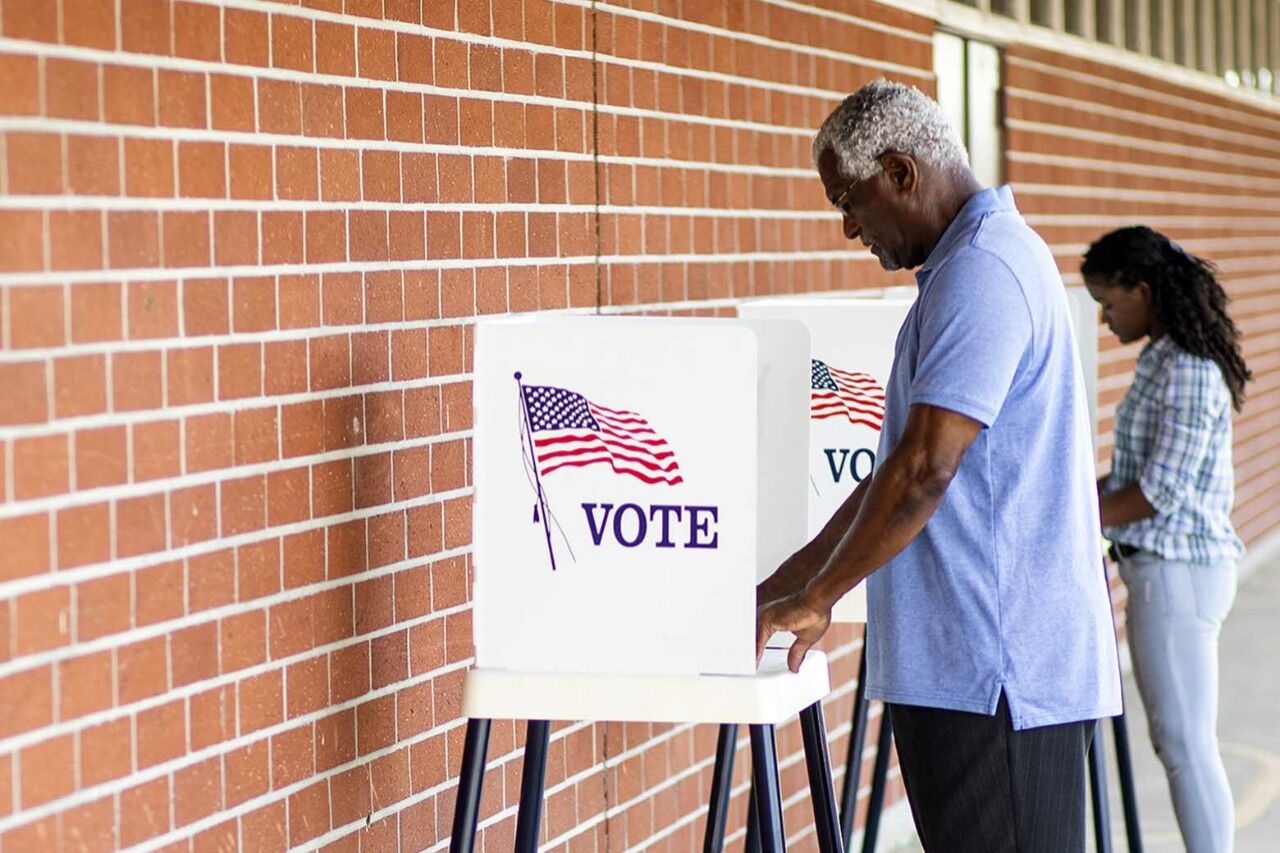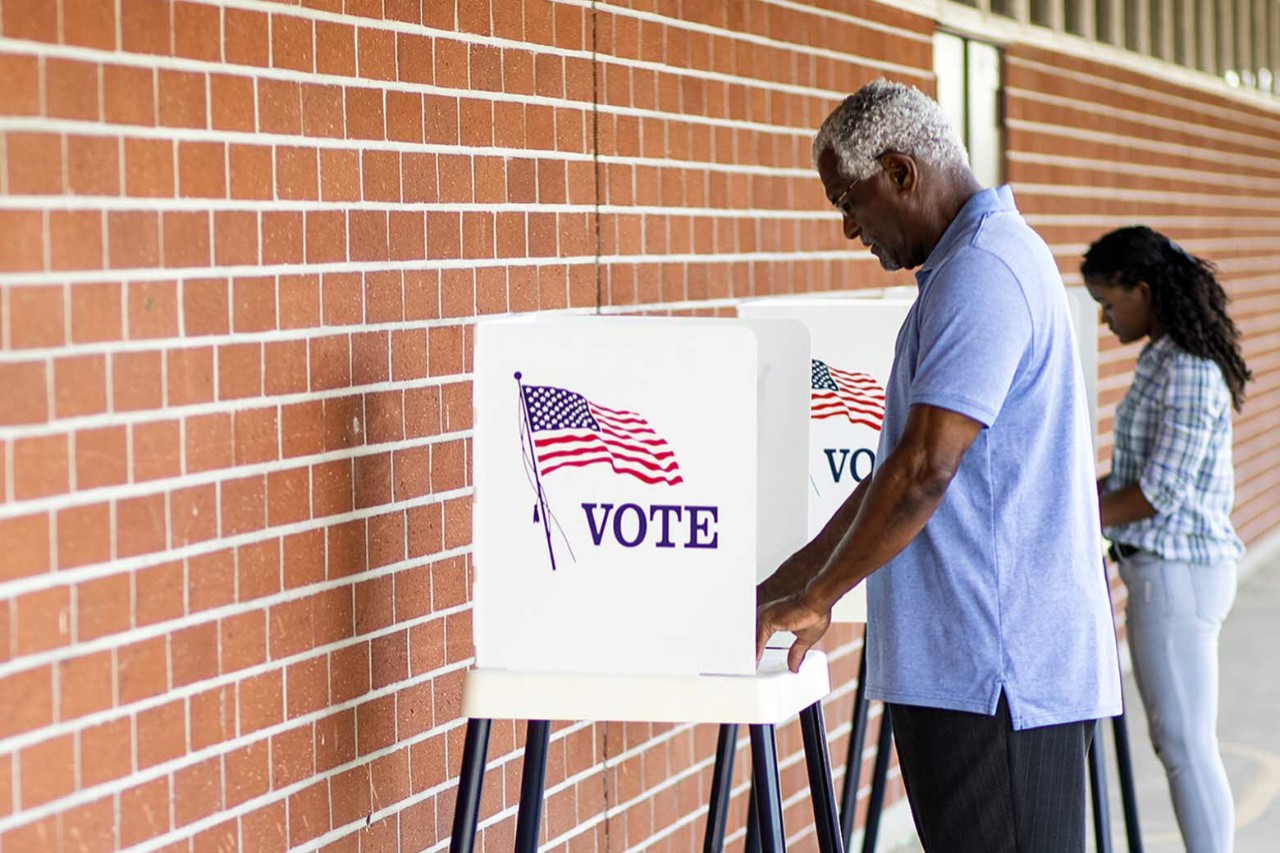
The generational divide in politics is becoming increasingly prevalent. Baby Boomers, those born in the years 1946-1964 during the post World War II Baby Boom, and Generation Z, those born in the years 1997-2012/15, have drastically different trends in political preferences. These differences have the potential to shape the future of politics as older generations tend to have more conservative political views and younger generations are statistically more liberal.
Baby Boomers in Elections
Baby Boomers and the older generations are significantly more conservative than younger generations. This is evident from election data and approval ratings that show about 32% of Boomers are consistently or mostly conservative and 28% are mixed. Comparing this to Millennials, who are only 12% consistently or mostly conservative, we can see the generational divide. This is shown again in a study done by the Pew Research Center regarding the percentage of registered voters who lean one way or another. In this study, 46% of Boomers lean Conservative, while only 32% of Millennials do.
In the 2016 election, Baby Boomers were a major part of the electorate that put Trump in office. They have different political goals than younger generations, and Trump’s policies align with these goals.
Boomers and Approval Ratings
The Baby Boomer Generation has given higher approval ratings to President Trump than Millennials and Generation Z. They have a more positive view of what he accomplished during his presidency. In comparison to Obama’s approval ratings, among Boomers, they look very similar. This is a big difference when compared to Millennials. Boomers are overall split on whether or not they approve of Trump, while ⅔ of Millennials disapprove of Trump’s presidency.
Political Attitudes
There are also extreme generational divides on political attitudes and views. For example, Baby Boomers are not as supportive of same-sex marriage, racial equality and gender equality as the younger generations. Overall, these political issues are not seen as big of a problem for them as it is for Gen Z and Millennials.
They also disagree with younger generations on foreign policy. Boomers tend to believe that military strength is the best way to ensure peace while Millennials think good diplomacy is the best method. Baby Boomers are also more likely to say that the United States is above all other countries. They see America in a more positive light than younger generations.
Additionally, the younger population is raising political awareness about a variety of social issues. This is in contrast to the older population who have opposing opinions on these policies. These issues include racial justice, immigration policies, gun control and environmental protection. One reason to explain these different priorities is the lack of diversity in the Baby Boomer population compared to younger generations. This new youthful diversity will contribute to the changing political scene over the coming years.
The Future of Voters
Gen Z, Gen X and Millennials already outvoted the older generations in the 2018 midterm elections. The same is expected in the years to come as the rest of Gen Z reaches voting age. With more of the younger population voting, trends show that the votes will likely lean blue. Along with this, the Baby Boomer age range is currently about 56-74 years old. This means that as the generations continue to age, we will see less conservative votes in the years to come. It is likely that in the future, voting trends will show a higher portion of the eligible population voting liberal.