How Do Vaccines Work & What are the Pros & Cons?

A vaccine is a type of medicine someone receives at different points in their life to prevent them from getting sick from a specific disease. Some vaccines are only done as a child such as chickenpox, polio, and the MMR which covers measles and mumps. Other vaccines such as the tetanus are given boosters every few years and some such as the flu shot are done every year. Diseases started around the 1600s so vaccines have been around for a long time. There are many pros and cons to vaccines but they also work in a way some people may not understand.


Diseases such as smallpox, polio, and measles have been around since the late 1600s and killed a record number of people. It wasn’t until the early 1800s though, until vaccines started to be studied and it took 1885 for real change to be made. After the rabies vaccine was created many more followed. The World Health Organization says that each virus contains a pathogen and your body makes antigens to defeat that specific pathogen. After the antigen is created, your body works with the immune system to destroy it completely. Vaccines contain a weakened version of an antigen so it prompts the immune system to fight the virus or disease. Some people are not able to be vaccinated so herd immunity helps those who can’t. Herd immunity is when such a large group of people are vaccinated, the pathogen struggles to infect anyone. This means that if five people can’t get vaccinated but fifty people can, those five people can be protected because of herd immunity.


Getting vaccinated has many benefits to not only people receiving them but the people around them as well. Research done by https://vaccines.procon.org/ shows ten pros to vaccines starting with how they save more than 2.5 million children each year. Since vaccines also come from organizations such as WHO, FDA, and the CDC, we can hope that they are reliable and all ingredients are safe. Herd immunity not only protects the people someone interacts with today but the vaccines people receive today also help future generations because they could eradicate any virus or disease completely. Vaccines are also beneficial to an individual and the overall economy. Getting vaccinated is cheaper than the potential cost of staying home sick, paying for medication, and doctor’s visits. The CDC also estimated that between 1994 and 2014 $1.38 trillion dollars were saved from providing benefits such as disability and early deaths because people got vaccinated.


Just like everything in the world, vaccinations also have some downsides. The CDC states that while it is a rare occurrence, vaccines can cause an allergic reaction, which can be life-threatening. According to research done by https://vaccines.procon.org/ some people, including doctors, also believe that certain ingredients can cause autism in children and that medical decisions such as getting vaccinated should be a personal choice. The same people also believe the organizations such as the CDC should not be trusted, and that vaccines are unnatural.


Vaccines have become a controversial topic over the past few years, especially with doctors supporting some claims that they should not be used. Vaccines have been around for centuries and new research is being done every day. They work by giving your body the ability by an advantage of having an antigen for the disease before someone contracts it. The best thing someone could do is do credible research and talk to their doctor about what options they have.

The Vote To Preserve The Post Office

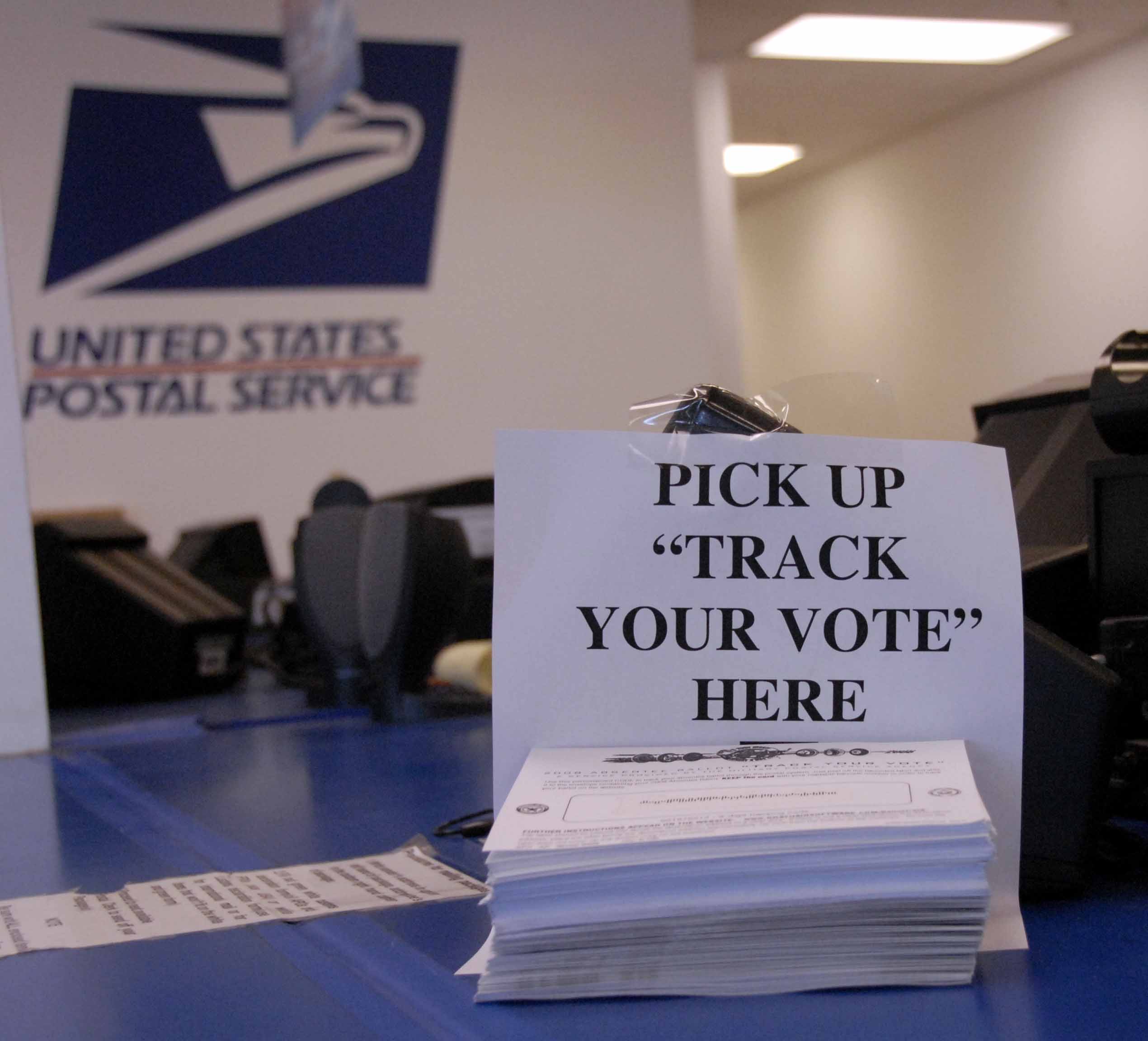
On August 22nd, the US House of Representatives voted to provide additional funding for the US Postal Service. The “Delivering for America Act” mandates that many of the changes enacted by the USPS since January 1, 2020, will be rolled back; these include any closing or reducing the hours of any post office or mail collection box, restricting overtime by postal workers, treating election mail as anything other than first-class mail, removing mail sorting machines, and any change to service which would delay the delivery of mail. The bill provides $25 billion in additional funding to the USPS in order to meet these requirements.

However, the bill is unlikely to pass in the Senate and has already been threatened with a presidential veto. Trump has claimed that widespread use of mail-in ballots would lead to fraud, and stated that he opposed additional funding to the USPS so that it could not process large numbers of mailed ballots: “Now they need that money in order to have the Post Office work so it can take all of these millions and millions of ballots…if they don’t get those items that means you can’t have universal mail-in voting.”

While mailed ballots are not impervious to fraud, cases are very rare. Data from the 2016 and 2018 elections in states which already conducted full vote-by-mail elections (in this case, Colorado, Oregon, and Washington) found only 372 possible fraud cases out of over 14.6 million ballots cast. If every adult in the United States—not just every voter, but every adult—voted by mail, this would suggest that there could be 8,362 possible cases with 209.1 million ballots cast, for a rate of 0.0025%, assuming these statistics hold for the likely-higher-turnout 2020 presidential election.

And mail-in ballots have safeguards. As the Pacific Standard details:

In Oregon, both the absentee envelope and ballot have a barcode unique to each voter, and in the larger counties, like Marion, a machine scans for any discrepancies between the two, or any duplicate barcodes. Then, a team of election workers trained in forensic handwriting analyzes the ballot signatures to verify the identification of the voter, who has two weeks to prove her identity should the signature be contested.

During this process, “everything that is happening is on camera at all times,” says Tayleranne Gillespie, the communications director for the Oregon Secretary of State. “No one’s ever by themselves counting ballots. It’s always done in bipartisan teams.”

That doesn’t mean that no fraud exists, of course. It’s often more common at local election levels, where races are closer and decided by fewer ballots; the East Chicago Democratic primary was re-run after the Indiana Supreme Court called it “a widespread and pervasive pattern … to cast unlawful and deceptive ballots.” Supporters of the Democratic incumbent, Robert Pastrick, had encouraged others to vote absentee and completed their ballots for the preferred candidate, and several city officials were charged with election fraud.

At the federal level, a US House election in North Carolina’s 9th district in 2018 had to be repeated after a consultant for the Republican candidate delivered absentee ballots in violation of federal law (third parties other than postal workers are not allowed to handle ballots or ballot applications), and admitted to filling out blank portions of the absentee ballots for Republican candidates.

But the race was never certified, and cases such as that are still a rarity—this was the first, and currently only, federal election ever where the race had to be repeated due to fraud, and the discrepancies were noticed within days of the election. Polling and population statistics allow any oddities—such as white voters’ absentee ballots being returned at twice the rate of Black voters’, or winning a county’s absentee vote at a much higher than expected margin—to be seen and investigated. And since mail-in and absentee ballots leave a verifiable paper trail, some government cybersecurity experts, such as Christopher Krebs, director of the Department of Homeland Security’s Cybersecurity and Infrastructure Security Agency, have said that vote-by-mail (VBM) elections will actually increase election integrity.

Nor do VBM elections favor one party over another. A recent BYU study found that VBM increased voter turnout by 2-3 percentage points in presidential and midterm races, but “has no effect on election outcomes at various levels of government”. And, in the wake of the pandemic, many states from across the political spectrum haveadopted some semblance of mailed ballots—Iowa, Ohio, Wisconsin, and Massachusetts, among others, will mail every registered voter an application for a ballot.

These changes are perhaps what led to a notable amount of bipartisanship in the bill’s final passage. 26 Republicans broke ranks and voted to pass along with 231 of the chamber’s 232 Democratic members (the lone not-voting member of the Democratic caucus was Tulsi Gabbard, HI-02, currently fulfilling her two-week Army duty requirement with the Hawaii National Guard in Alaska). In doing so, many of those Republicans spoke of its benefits to their more rural constituents:

“The U.S. Postal Service plays a critical role in our nation’s commerce and economy, and in delivering mail to all Americans, especially to those living in rural communities.” -Don Bacon, NE-02.

“We all know the Postal Service is one of our greatest institutions, and has been ever since we developed the Constitution.” -Don Young, AK-AL.

“Tasked with delivering vital medicine to seniors and last mile service for rural counties, the post office is a critical service for the constituents of TX-10.” -Michael McCaul, TX-10.

“The United States Postal Service plays a vital role in the lives of my constituents, particularly those in rural communities, from ensuring their ballots are counted to paying their bills and receiving lifesaving medication.” -Steve Stivers, OH-15.

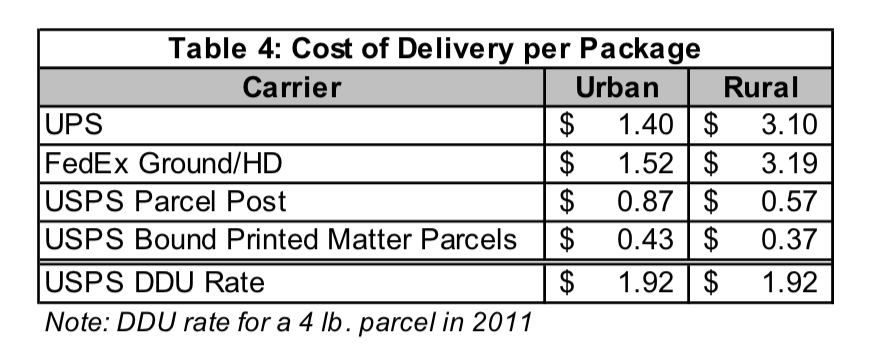
Especially in rural areas, many of which lack reliable broadband connection, the Postal Service remains a pillar of the community, a secure, cheap and effective link to the larger world. In rural locations, where commercial carriers like FedEx, UPS, and Amazon will inflate their prices or simply refuse to deliver because doing so is not cost-effective, it’s the USPS which delivers packages the “last mile” to their destination. A 2011 analysis noted that “Without such service, the businesses located in rural areas will be paying about $3.00 more per parcel and the people residing in such rural areas will be paying about $5.45 ($3.00 for Ext. DAS [Delivery Area Surcharges] and $2.45 for ground residential) more per parcel, or both businesses and consumers will be limited in ordering for direct delivery to their address.”

A table showing the cost of delivery for packages through UPS, FedEx, and USPS for rural areas.

But limiting that service has its own dangers—many seniors and residents of rural communities receive vital medications through the mail, and delays in the mail could mean that prescriptions run out before the next shipment arrives. Rob Larew, president of the National Farmers Union, writes “USPS is frequently the only affordable and convenient way to receive medication in rural areas — and…disruptions or delays could literally mean the difference between life or death.”

So why did so many rural Republicans vote against providing funding for the Postal Service?

The CityLab analysis of congressional district density found 70 districts which it classified as “purely rural”: “a mix of very rural areas and small cities with some suburban-style areas”. These are the districts which would be most affected by any changes to the USPS, and are overwhelmingly represented by Republicans, who hold 60 of those 70 districts. In many ways, these districts are the base of the GOP—they overwhelmingly voted for Trump over Clinton, 63-37, and have shifted ever more Republican over the past few years.

And yet of those 60 rural Republicans, only 5 voted to extend funding for the postal service.

Republicans Voting ‘Yes’ And How Their Districts Are Classified:

  • Don Bacon* (NE-02)—dense suburban
  • Peter King (NY-02)—dense suburban
  • Ann Wagner* (MO-02)—dense suburban


  • Troy Balderson (OH-12)—sparse suburban
  • Vern Buchanan (FL-16)—sparse suburban
  • Brian Fitzpatrick* (PA-01)—sparse suburban
  • David Joyce (OH-14)—sparse suburban
  • Chris Smith (NJ-04)—sparse suburban
  • Mike Turner (OH-10)—sparse suburban


  • Mike Bost (IL-12)—rural-suburban mix
  • Rodney Davis* (IL-13)—rural-suburban mix
  • Jeff Fortenberry (NE-01)—rural-suburban mix
  • Sam Graves (MO-06)—rural-suburban mix
  • Jaime Herrera Beutler* (WA-03)—rural-suburban mix
  • Will Hurd (TX-23)—rural-suburban mix
  • John Katko* (NY-24)—rural-suburban mix
  • Doug LaMalfa (CA-01)—rural-suburban mix
  • Michael McCaul (TX-10)—rural-suburban mix
  • Steve Stivers (OH-15)—rural-suburban mix
  • Fred Upton* (MI-06)—rural-suburban mix
  • Jeff Van Drew* (NJ-02)—rural-suburban mix


  • Pete Stauber (MN-08)—pure rural
  • Elise Stefanik (NY-21)—pure rural
  • David McKinley (WV-01)—pure rural
  • Tom Reed (NY-23)—pure rural
  • Don Young* (AK-AL)—pure rural

Those marked with an asterisk are facing competitive re-election races in the 2020 general election.

Most likely, their votes are due to partisan polarization; these districts, as the base of a Republican Party which has aligned itself with Trump, are unfavorable to representatives who buck the president: in 2018, the rural NC-09 ousted its Republican incumbent, Robert Pittenger, in the primary over a perceived failure to support Trump’s immigration policies. Trump has vowed to veto the funding bill if it passes the Senate and called it a “HOAX by the Democrats to give 25 Billion unneeded dollars for political purposes”, meaning that congressional Republicans who wished to stay in their party’s good graces had a clear political incentive to vote against the bill.

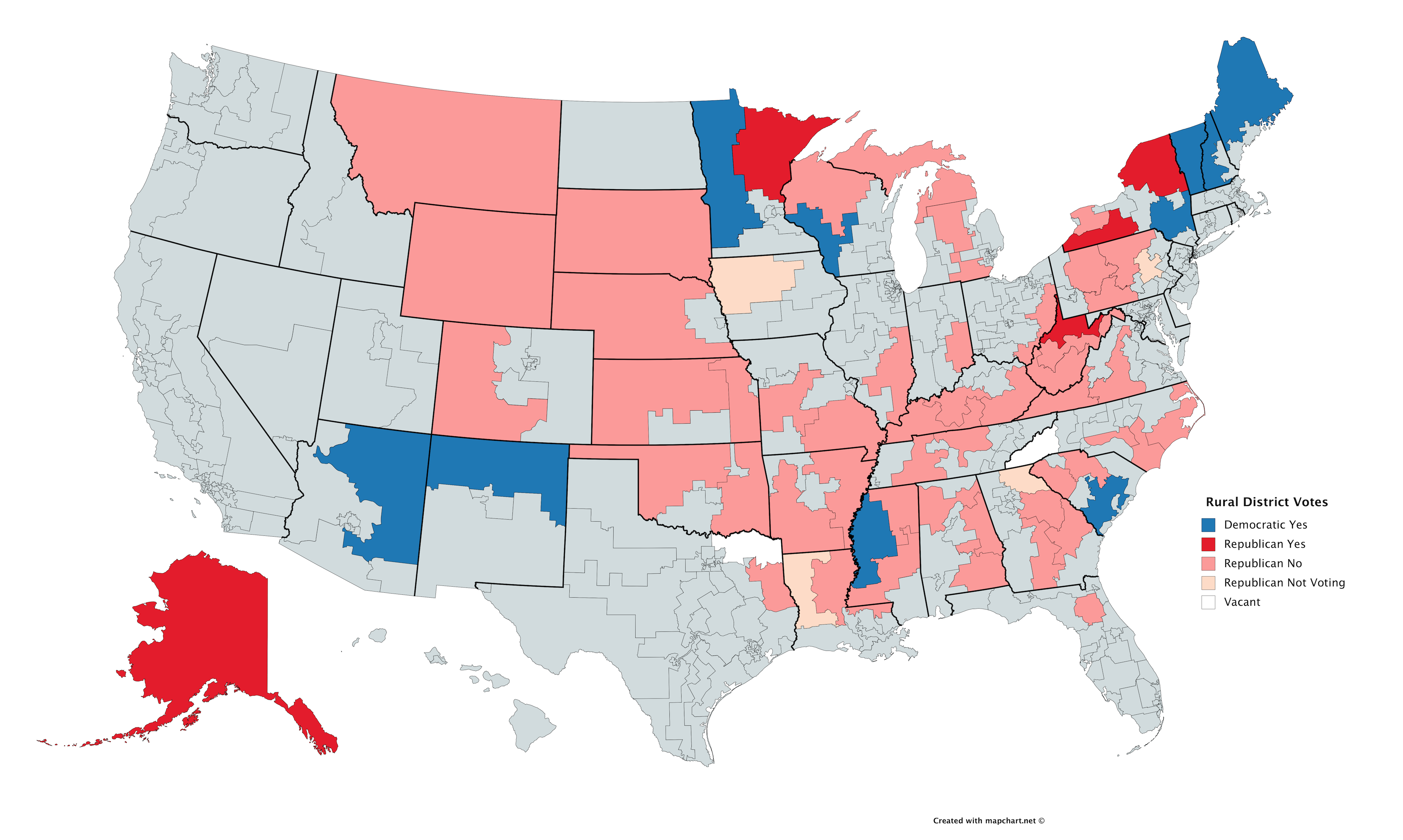
But the political contrast remains striking. Rural districts cover wide swaths of the central and eastern United States, but a wide majority saw their representatives vote against funding for a service they rely upon:

A map showing how the representatives of the 70 rural districts in the US voted. (55 Republicans voted no, 5 voted yes, along with all 10 Democratic representatives)

Colored districts are the 70 districts classified as “pure rural” by the CityLab analysis, while the greyed-out districts are not.

The Politicization of School Reopening

In mid-June, as cases of coronavirus began to surge once again, Pew Research published a poll showing how attitudes towards the pandemic had shifted. The differences between political parties were especially stark: just 23% of Democrats, but 61% of Republicans, believed that the worst was already behind us; 77% of Democrats, and only 45% of Republicans, were worried about unknowingly spreading the coronavirus. Most notably, the poll found that partisanship was the single biggest driver of attitudes towards the pandemic—dwarfing other dividing lines such as race, gender, geography, or age:

So why the partisan polarization? Many Republicans have called for the same or similar public health measures as their Democratic counterparts—Senate Majority Leader Mitch McConnell (R-KY) stated that “Wearing simple face coverings is not about protecting ourselves, it is about protecting everyone we encounter,” on the Senate floor, and GOP governors in states such as Arkansas, West Virginia, and Alabama have issued statewide mask mandates.

But, in many ways, the Republican Party is the party of Trump—several of his early critics were defeated or retired from the party, and Republican primaries (such as the recent Senate runoff in Alabama) have become a test of who is more loyal to the president. And in much the same way, the Democratic Party has aligned itself against Trump: the drawn-out presidential primary was less a contest of grand ideas and more a test of who, regardless of their particular brand of liberalism, could defeat Trump in 2020.

What does this mean? It’s a departure from both the leadership that Americans have come to expect from the White House, and the public reaction to such statements or orders. When Trump criticizes mask-wearing, or states that schools must reopen, he turns the issue from public health into partisanship—and, as above, a partisan gulf opens between the two groups. Over the course of the pandemic, as Trump has called masks a “double-edged sword” and said “I’m not going to be doing it” [wearing a mask], in contrast to the statements from Democratic leadership that a federal mask mandate is “long overdue”, an almost 30-point gap has opened between Democrats and Republicans on the issue of mask-wearing.

School reopening has followed a similar trajectory. Trump and Education Secretary Betsy DeVos have spoken strongly in favor of in-person education resuming this fall—in Arizona, Trump said that “Schools should be opened. Kids want to go to school. You’re losing a lot of lives by keeping things closed,” and DeVos stated in a hearing that “Kids need to be in school… we can’t not allow that or not be intent on that happening,” with DeVos even threatening to cut federal funding from schools which stay closed. Several of his allies in Congress, such as members of the conservative Freedom Caucus, have followed his lead: Representatives Andy Harris (R-MD) and Morgan Griffith (R-VA) have claimed, counter to CDC guidelines and new studies out of South Korea, that “it’s safe for children to go back to school,” and “the risk is extremely low that anything will happen to them.” But other Republicans have resisted.


Proposed school-reopening plans as of Thursday, July 30th.

  • ‘Planned to re-open’ indicates that the governor/state leadership have stated that schools will be open, in some capacity, come fall
  • ‘Some open, some online’ indicates that current restrictions, combined with opening plans, mean that some districts will be resuming online-only
  • ‘Guidelines released, opening unclear’ indicates that state government have released guidelines on re-opening, but there is no state order yet/most districts have not yet released plans
  • ‘No guidelines yet’ indicates that there are not (widely available) state guidelines yet on how/when to reopen school districts

Partisanship is an indicator of whether schools are currently slated to reopen, but also notable is which states have broken ranks. The Republican governors of Alaska, Wyoming, Nebraska, Indiana, Ohio, Mississippi, Maryland, and New Hampshire have largely left their decisions to local school districts, giving them the options of continuing online if cases are high in their area, citing flexibility and local autonomy as reasons for their decision. And Hawaii, Nevada, Illinois, and Rhode Island, all Democratic-governed states, have committed to reopening.

Hawaii has the lowest case count of any state in the US. But coronavirus is surging in most of the continental US, including many Southern states whose governors have stated that schools will reopen in just a few weeks. In Florida, where new cases are quickly approaching the levels seen in New York during the early days of the pandemic, Governor DeSantis has announced that public schools will reopen at full capacity, with district-defined social-distancing measures in place. He’s faced backlash from pediatrics associations and teachers’ unions for this move, but has defended it by saying that reopening is critical to the state’s economy.

And in Missouri, Governor Mike Parson has sparked outrage by saying that “These kids have got to get back to school…They’re at the lowest risk possible. And if they do get COVID-19, which they will — and they will when they go to school — they’re not going to the hospitals. They’re not going to have to sit in doctor’s offices. They’re going to go home and they’re going to get over it.” As Missouri approaches 1,000 new cases a day, local and state officials have criticized Parson for his seeming blitheness to the risk of catching the coronavirus, as well as the possibility of children spreading the disease to older or more-at-risk family members.

But this polarization, unlike similar events in the past, may not yet have caught hold with the majority of the public. Recent polling suggests that 42% of voters think that school should not reopen at all—that classes should continue online and via distanced learning, as was the policy for most of the spring—and only barely more think that schools should reopen at all—that group disagrees, 26% to 19%, on whether schools should partially or fully reopen respectively. And parents are especially wary of returning to school—a majority, 54%, said that they would not want their child to attend any in-person classes in the fall.

Reopening schools is thorny business—for any semblance of normality to return, especially for the roughly one-third of working adults with children under 18, many experts agree that they have to. But no one knows quite how it should be done, or whether it can be done safely (and what ‘safely’ even means, in a world of relative risks and percentages). And with a growing partisan split emerging on the issue, it seems unlikely that a consensus will be reached before schools begin to reopen.

COVID-19: 10 million cases worldwide

This number has doubled in just over a month, with more than a million new infections in the last week. In China, the United States and Portugal, partial lockdown is taking place.

Ten million cases of the new coronavirus were officially diagnosed worldwide on Sunday 28 June, according to a count carried out by Agence France-Presse. Among these cases, 498,779 deaths have been recorded, particularly in Europe, the continent most affected (2,637,546 cases and 195,975 deaths), as well as in the United States (2,510,323 cases, including 125,539 deaths), the country most affected.


The number of reported cases worldwide has doubled since mid-May and more than one million new cases have been recorded in the last six days alone.  This compares with 94 days between the first case in China and the 1 million infections worldwide. The pandemic is now progressing fastest in Latin America, with more than 400 000 cases in the last seven days on the continent.

However, these figures reflect only a fraction of the actual number of infections. The U.S. Centers for Disease Control and Prevention (CDC) estimates that the number of infected Americans has increased tenfold, to more than 20 million people, or 5 to 8 percent of the population.

In the United States, contagion is increasing in 30 of the 50 states, particularly in the largest and most populous states in the south and west: California, Texas and Florida.

Asia appears to be experiencing a resurgence in the number of daily cases, now driven by the sustained spread of the disease in India (528,859 cases, including 118,398 in the last seven days), Pakistan (202,955, 26,338 new cases) and Bangladesh (137,787, 25,481 new cases).

For the “first time in months”, Europe is experiencing an increase in the number of weekly cases, notably in eleven countries, the World Health Organization (WHO) warned, alerting about the capacity of health systems to cope with this rebound.

Russia reported 6 791 new cases of coronavirus infection on Sunday. The total number of infections now stands at 634 437, the third-highest in the world, behind the United States and Brazil.

Partial lockdown

These figures are prompting more and more countries or regions to decide on local reconfinement measures, such as Florida and Texas in the United States, the northern suburbs of Lisbon in Portugal, or two German cantons (whose “rapid” reaction was welcomed by the Director of the WHO Europe Branch, Hans Kluge).

On Sunday, China announced the confinement of nearly half a million people near the capital, Beijing, affected since mid-June by a Covid-19 bounce that the authorities still describe as “serious and complex”. The Asian country has largely contained the epidemic, but the emergence of some three hundred new cases in the city in the space of just over two weeks is fuelling fears of a second wave. The outbreak was detected in Xinfadi, a wholesale market in the south of the city that supplies most of the capital’s supermarkets and restaurants with fresh produce.


Utah is Opening as COVID Cases Rise

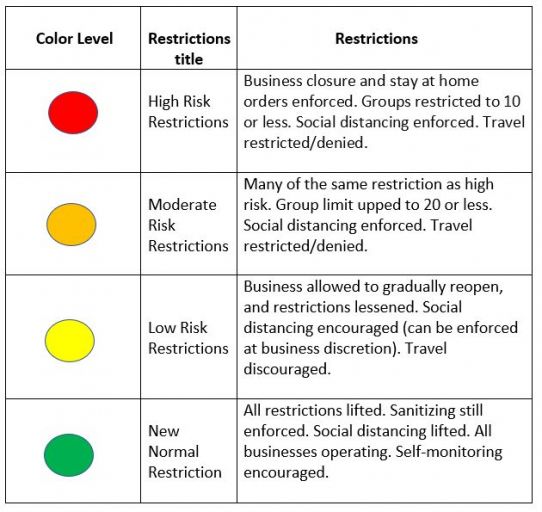
Utah Gov. Gary Herbert announced that Utah is ready to move on to the next phases of reopening. With a new color coded system that many states are taking into practice, every county except Grand is in the yellow or low risk phase. This means many small businesses will be reopening, but that still doesn’t take away the tension of social distancing.

Utah COVID-19 Reopening Guidelines,

A more detailed list can be found at the bottom of this article.

Still Trying to Iron the Wrinkles

The most recent counts still reach the hundreds in terms of confirmed COVID cases. The number of people being tested has also declined, but the number of testing positive has not. Lifting restrictions also means dissipating caution on the public’s part. From raiding all the toilet paper to no longer following social distancing guidelines, the public is the largest risk factor.

I would like to express my gratitude to all who are taking these recommendations seriously, and stress that following these guidelines is crucial to ensuring the safety and health of us all,” Said Gov. Gary Herbert.

We are still flattening the curve, and during these times there will be spikes in cases just like the Spanish Flu. Businesses can’t stay closed forever though, and with the virus still out there a middle ground needs to be made. Businesses can operate, but only under strict guidelines.

“All of our employees are checking their temps before shifts, wearing gloves and masks. We provide sanitizer to guests and ask they use it before visiting. Surfaces and handles etc. are sanitized often,” Said Lisa Boone, the owner of Tinkers Cat Cafe. This business not only deals with people but live animals as well. People can spend time in a cat lounge playing and petting cats.

Many business like Tinker encourage those not eating or drinking wear a mask. With the 6 foot restriction as well this can limit how many can enter the business. Asa Ramen, a local Orem hotspot, used to fit 40 in its dining room. They can now have only 20 at a time according to Savannah, a server at the restaurant. 

Some are still holding pick-up and deliver like J-Dawgs, Zupas, or Tsunami Sushi. Other dine in chains like Chilis or Applebees opened their dining rooms right on May 5th.

The New Normal

Though we are moving down a color, many of the guidelines are similar to orange status with a few exceptions. Gathers allowed up to 50 instead of the 20 and home restrictions are being lifted as well according to Phased Health Guidelines. These plans are all a part of the Utah Leads together III plan. The final colored Phase, green, called the “New Normal” lifts all restrictions, including most hygiene regulations except for sanitizing high touch areas or precautions for high risk individuals.

At the point of the “New Normal” hygiene and precautions will be left to the individual. The papers do state that hygiene restrictions will be tightened for business and that monitoring of employees and customers be a regular procedure. But at this point masks will no longer be required by the general public and at risk individuals look like regular people.

Detailed List of Restrictions

High Risk Restrictions

  • General public and employers take extreme precautions
  • Face coverings worn in public settings where other social distancing measures are difficult to maintain
  • Follow strict hygiene standards, including:
  • Wash hands frequently with soap and water for at least 20 seconds
  • Use hand sanitizer frequently
  • Avoid touching your face
  • Cover the mouth when coughing or sneezing
  • Regularly clean high-touch surfaces
  • Follow any other standards promulgated by the Centers for Disease Control and Prevention (CDC), the Utah Department of Health, and local health department
  • Do not shake hands
  • In-person interactions limited to individual households; Interactions in groups of 10 or fewer
  • Increase virtual interactions
  • stay 6 feet away from others when outside the home
  • Regularly disinfect high-touch areas
  • Give sick family members their own room if possible and keep the door closed
  • Have only one family member care for the sick individual
  • Schools closed
  • Employees and volunteers of businesses operate remotely, unless not possible

Moderate Risk Restrictions

General public and employers take extreme precautions

  • Face coverings worn in public settings where other social distancing measures are difficult to maintain
  • Follow strict hygiene standards, including:
  • Wash hands frequently with soap and water for at least 20 seconds
  • Use hand sanitizer frequently
  • Avoid touching your face
  • Cover the mouth when coughing or sneezing
  • Regularly clean high-touch surfaces
  • Follow any other standards promulgated by the Centers for Disease Control and Prevention (CDC), the Utah Department of Health, and local health department
  • Do not shake hands
  • In-person interactions in decreased group sizes that enable all social distancing guidelines to be maintained; social interactions in groups of 20 or fewer
  • Increase virtual interactions
  • Leave home infrequently, stay 6 feet away from others when outside the home
  • Regularly disinfect high-touch areas
  • Give sick family members their own room if possible and keep the door closed
  • Have only one family member care for the sick individual
  • Schools closed
  • Employees and volunteers of businesses operate remotely, unless not possible

Low Risk Restrictions

General public and employers take reasonable precautions

  • Face coverings worn in public settings where social distancing measures are difficult to maintain
  • Follow strict hygiene standards, including:
  • Wash hands frequently with soap and water for at least 20 seconds
  • Use hand sanitizer frequently
  • Avoid touching your face
  • Cover coughs or sneezes
  • Regularly clean high-touch surfaces
  • Follow any other standards promulgated by the Centers for Disease Control and Prevention (CDC), the Utah Department of Health, and local health department
  • Do not shake hands • In-person interactions in decreased group sizes that enable all social distancing guidelines to be maintained; social interactions in groups 50 or fewer
  • Maintain social distancing when in public settings
  • Regularly disinfect high-touch areas
  • Give sick family members their own room if possible and keep the door closed
  • Have only one family member care for the sick individual
  • All businesses operational if they can meet and adhere to all related guidelines

New Normal

  • General public and employers take reasonable precautions
  • All businesses operating
  • Schools are open
  • Traveling restrictions mostly lifted, self-monitor symptoms 14 days upon return; avoid areas of high transmission
  • Regularly disinfect high-touch areas


Are We Open Yet?

May 1st has passed and states are starting to slowly reopen businesses. Though there has not been a clear announcement for some, government officials have not pushed for further stay at home orders.

What Does “Reopen” Entail?

Some states are still in lock-down status like California, New York, Washington and Virginia. Other states never had a lock-down such as Utah, Nebraska and South Dakota though stay at home orders were still enforced. Even one of the hardest hit countries, Italy, is lifting restrictions after Nearly 2 months according to Forbes.

Though businesses like retail, hair salons and cafes are reopening, it is in small steps. Mandatory Mask orders and precautions are still being enforced by state officials for businesses and citizens.

“[Colorado] state recommends that anyone returning to a workplace maintain 6 feet between themselves and others at all times; take breaks to wash hands or use hand sanitizer; wear masks and gloves,” According to an article from the Denver Post. Colorado plans to reopen about 50% of its business and hopes to open the rest by May 27th.

Other states like Florida will be allowing the reopen of beaches, sit-in restaurants as long as they are at 25% capacity. Bars, hair salons and movie theaters will still remain closed until further notice. Georgia is also taking a similar route, encouraging business to practice social distancing and screening employees for illness.

Other states like Delaware, Washington D.C. and Iowa to list a few have just issued mandatory stay at home orders till May 15th with expectations of extension.

Since state governments were left to make decisions on what to do during this crisis, there are many different avenues each is taking. Though all are doing their best to enforce or encourage social distancing guidelines.

Is the Virus Gone?

Though even with reopening we are still at risk of the virus. According to the CDC they are still working on a vaccine for COVID-19.“When people recover from COVID-19, their blood contains antibodies, convalescent plasma — literally plasma from recovered patients — has been used for more than 100 years to treat a variety of illnesses,” said Harvard’s health institute. While waiting for this and without a proper way to treat more severe cases we all need to stay vigilant and continue to practice social distancing.

COVID-19 and the Spanish Flu, How They are Related.

The U.S. is facing a serious pandemic with Covid-19 for the first time in 100 years, as new cases rise rapidly. What’s disturbing is how similar our situation is to one of the deadliest diseases in human history, the Spanish Flu. Even with this history to drawback on, America still isn’t taking it seriously, perhaps, because history sometimes likes to repeat itself.

Spanish Flu

The most devastating of all pandemics in human history other than the Bubonic plague, the Spanish flu took 10% of the world’s population, and of that 10% were roughly 675,000 Americans.

“Officials in some communities imposed quarantines, ordered citizens to wear masks and shut down public places, including schools, churches and theaters.” according to history.com. This is the case with many pandemic level outbreaks. During this time was also the first use of the quarantine system. It has been 100 years since we have had to implement it on this scale again.

People are not happy with being shut in, especially by an entity who is supposed to let its citizens have “freedom.” There were three spikes during the Spanish flu during summer, fall and winter of 1918. 

“Historians now believe that the fatal severity of the Spanish flu’s ‘second wave’ was caused by a mutated virus spread by wartime troop movements.” wrote Dave Roose, a writer for history.com. Viruses tend to mutate, and extra exposure and changing bodies help it do so. With loosening restrictions and exposure after months indoors, we could see some devastating mutations.

Similarities

The key to containing any disease, according to Jeremy M. Berg, Ph.D in an article with nhi.gov, is containment speed and awareness. Unlike the late warnings given to the world by China about COVID-19, people in 1918 were able to lock down quickly when this began spreading to the US. 

“Introducing public health measures soon after the first cases appear could greatly reduce the number of people who get sick,” said Jeremy. But just like COVID-19, people were not too keen to be told what to do. 

Humans have a tendency to repeat history, and just like back then, today, people protested against being locked in and locked down. There were similar protests that occurred during the Spanish flu as well since this was the first implementation of quarantine. Just like in 1918 there will be a spike of new cases after large congregations.

“On Dec 19,  officials voted down a mandatory mask order, by far the worst day of flu/pneumonia deaths followed on Dec 30.” Tweeted Tim Mak, an NPR investigative correspondent. Tim has been doing extensive digging into articles, news clippings and government records to gather this information about Spanish flu protests.

Just like today there were protests against mandatory orders such as masks and business closure. The most relevant being the “Anti-Mask League” in San Francisco. According to an article from 1919 4,000–5,000 citizens attended a meeting on January 25 to protest mandatory masks. Though no solid numbers can be found, one can only guess the outcome.

Many believe that the protests today were organized by the national tea party movement according to NPR. Even so we all need to stay cognizant and understand that a virus doesn’t care what party you are fighting for or if you have a job or not. Staying at home has slowed the spread significantly according to the CDC, but has spiked around April 5th by 63,000 new cases.

Differences

The largest difference between Spanish Flu and COVID-19 is that the first came right after WWI ended. This left many communities without available care because many doctors were drafted or dead. Food, working men, and everyday life was upended because of this. Not to mention that the disease was able to spread due to troops returning home. The war and the flu were able to wipe out roughly two thirds the world’s population within 5 years. 

Medical

Another difference is the types of medicine we have available today. Even with the most severe cases we have the ability to keep someone alive to fight through their symptoms. Respirators, antibiotics, a sterile working environment and sheer knowledge give us an incredible advantage since the last pandemic.

Even with all this though many hospitals at the start didn’t have enough equipment. Stores ran out of face masks and respirators within days without hope of restock. People today panicked and rushed to get supplies when they learned that this was more than just another flu. According to the LA Times however, during the Spanish flu people were already accustomed to their pandemic.

Travel

Unlike today the airplane was just invented and not used for commercial purposes. We have the ability to get across the world in a little less than a day, they took weeks or even months to get from one continent to the other. Most people were still using trains or boats for major transport needs, not to mention the expense. The biggest reason the Spanish flu hit so hard is because of troops returning home from the war, spreading a new strand of the disease.

“The first quarantines in the region were enacted in September 1918 at the Naval Reserve Station at Los Angeles Harbor and the U.S. Army Balloon School in Arcadia,Wrote Gustavo Arellano of the LA times. Some of the first sites quarantined were naval bases or military outposts with returned soldiers.

The End?

Just like the Spanish Flu, Coronavirus will pass and it will be business as usual. Even when this will start to look better it doesn’t mean you can let your guard down. According to the CDC there will be spikes following looser restrictions, and we might not see the end for a while. Wear the mask a bit longer, wash your hands regularly, try to stay home if you are feeling ill. When the government lifts restrictions it is up to the citizens to stay vigilant and enact what we have learned. This isn’t the first and it won’t be the last pandemic humanity will have to deal with, but hopefully we will learn.

The US Too Optimistic; Will it Be Opening Up Earlier Than it Should?

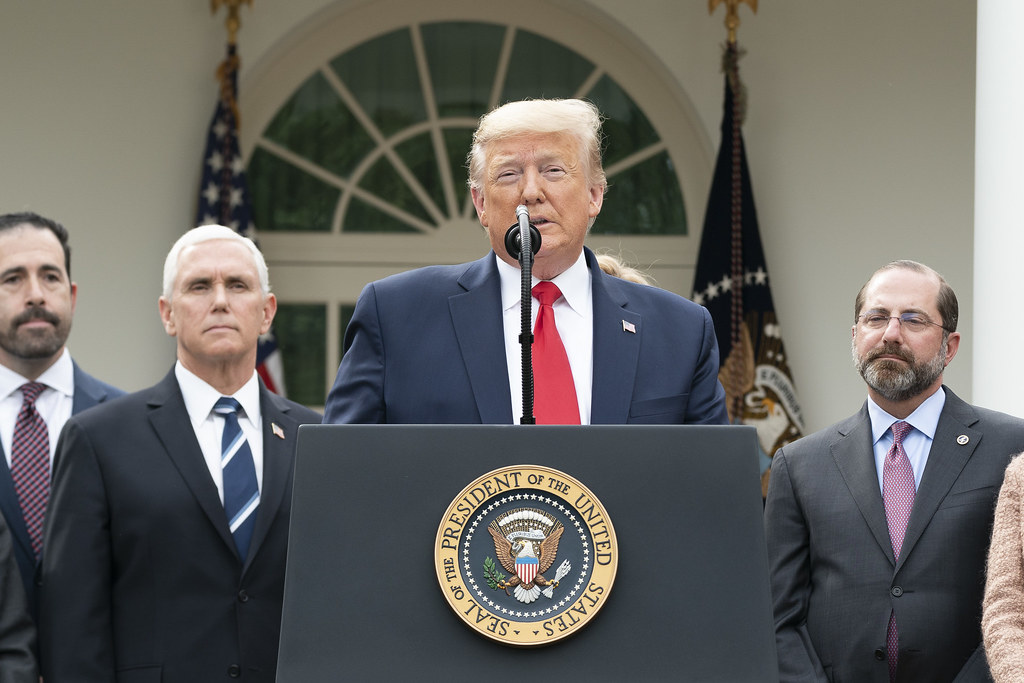
President Trump recently backed off his announcement of wanting the US businesses back up by Easter, extending social distancing guidelines to April 30th. Currently the US has taken first in the number of announced cases worldwide according to the CDC. There are also many new cases still being announced on the east and west coasts.

“The highest point of death rates, remember this, is likely to hit in two weeks… Therefore, we will be extending our guidelines to April 30, to slow the spread,” Said Trump during a Coronavirus task force briefing.

With a recent upsurge in cases in New York as well as many ignoring the social distancing guidelines, such as Spring Break, many may have gone back home contagious and spread it further. Even if the US puts down its already relaxed barrier, how many people would go back to business as usual?

“We’re all in search of the apex and the other side of the mountain.” Said Gov. Andrew Cuomo reporting on the 9,928 new cases in New York March, 31.

Waiting for Apex

It is no surprise that one of the most heavily populated cities in the US was hit the hardest with over 84,000 of the roughly 200,000 cases in the US. Many are hoping that the apex will be hit by the beginning of May like the yearly flu.

The difference with corona and the Flu is that this is much more contagious and we still don’t know how long it can survive. According to The World Health Organization, the virus can last several days outside of the human body, the flu can last several hours. There is also the fact that this is something new and we don’t know if it will be a seasonal thing from now on.

As long as there are still active cases people will have a hard time going out in public. Once given the all clear it may take an extra month to start being normal again. Flattening the curve doesn’t mean it will continuously go down either, it will go up again and new cases will continue less and less frequently.

What’s Next

Many may ask the questions after a month or so of isolation and say, “what is next?” Business will need to recover without a doubt. Many people will need reemployment. There is also the underlying fear that will still consume some of us. Just because someone says it’s okay now doesn’t break this new ingrained feeling of keeping your distance. For now we will have to wait and see what is to come, and for now support and help anyway we can.

What is Included in the $2 Trillion Coronavirus Stimulus

On March 25th the biggest stimulus package to date was announced. The CARES act is aimed to tackle the effects of  the pandemic level issue coronavirus (CODVID-19). The act will help fund hospitals, the unemployed, and businesses that are being affected by this virus.

Employed and Unemployed Benefits

The unemployment benefits are key as more and more people lose their jobs. Currently less than the beginning of this year according to the Bureau of Labor Statistics, unemployment is on a steady rise with currently 3.3 million. Those on unemployment will receive an extra $600 on top of the local benefits of their states for the next four months. 

Those currently stuck inside waiting for the office to open up again will receive $1200 if you earn $75,000 or less. Married couples get $2,400 and those with children get additional $500. Whether this money will be given outright or we will make up for it in taxes later is yet to be seen (update: most garnish taxes have been temporarily suspended). Those earning more will get a check as well, though the specifics have yet to be verified on how much. Those earning roughly $99,000 or more will not be receiving any money. Green card and H-1B and H-2A visa holders can also receive this check if they meet the other qualifications.

Those with accounts hooked up with direct deposit will get their stimulus checks sent to their checking/savings accounts. There is no action required on citizens parts so long as tax information with the IRS is up to date. Those without direct deposit will be getting their checks in the mail and will take longer to get. Those who have been claimed as dependent on 2019 taxes will not be receiving checks.

Health Organizations

Hospitals and other health organizations will also see a flood of money heading their way. When Trump cut $15.4 billion in funding back in 2018 with his rescission of funds, taking money away from the organizations we so desperately need now. Out of this $2 trillion these organizations will get $117 billion, making ten times more than they lost.

Businesses

There is also $500 billion being put aside to help bailout any large industry or business that will be having issues during this time. None of the money will go towards any of the Trump family or businesses given the status of Trump. Businesses receiving funding during this time can not participate in stock buybacks for at least a year and a half.

Small and local businesses that plan to keep their workers can also apply for a loan from their bank till June 30th. The money set aside will be roughly $357 billion that would go to help the ma’ and pa’ stores of the US.

The stimulus will also help out education, private and self employed individuals, and even create a temporary position in the government for overseeing loans (though no official title has been given).

Other Benefits

Along with everything else other things such as school loans and back taxes have been postponed. Those who are paying child support may have money or checks withheld if they have not kept up on payments. The bill also puts a nationwide eviction moratorium in place for any renters whose landlords have mortgages backed/owned  by federal entities such as Fannie Mae or Freddie Mac.

How South Korea is Beating COVID-19

With the world on Coronavirus (COVID-19) lockdown and the United States on the verge of mass quarantine, one country has been holding out despite being neighbors with where the virus started. South Korea has proven to be holding out rather well in these turbulent times.

Some of the possible factors contributing to their success in stopping this is their culture, technology, and demographics. This is on top of the early preventive measures they took before Coronavirus became a pandemic.

Culture

“[Koreans] are generally very hygenic in everyday life.” Said Bill (Sungwoo) Kang, a Native Korean living in the US, “people do not act individually, but for the benefit of the family and the culture.” 

He states that they are unique because they don’t necessarily follow the rules or laws set in place, but rather act on the culture itself and the focus of the collective. Another Unique aspect is that Korea has been invaded but has never directly invaded others. This, along with previous outbreaks has given and taught them to bond together in times of crises.  

“The social constructions, from government to citizens, are based on Confucianism,” Said Glen Tromeur, an Asian studies major at BYU. “This gives them a sense of responsibility to society as a whole.” She goes on to say that Christianity is based more on love where Confucianism is based off of order and efficiency.

This is shown in how the government in Korea is also not doing mandatory quarantining for those without symptoms, but people are quarantining themselves anyway. Those who have the virus are required to stay put and face up to 3 million Won ($2,500) fine. 

Technology

South Korea is the place to be for cutting edge tech and they are using this to their advantage. According to ABC and BBC, Korea has put to use thermal imaging in airports and major public areas to monitor for high body temperatures and fever. Implementing this procedure back in January at airports, if someone showed a higher than usual body temperature, they would pull them aside and test.

There is also the testing that they have created that is relatively cheap and accurate. Developing contingencies after the MERS outbreak back in 2015, they have been able to successfully test over 250,000 people according to the CDC. Compared to the states that only have the rate of 100 per million, the rate South Korea is testing is roughly 5,200 per million.

They have also implemented social media sharing to help stop the spread as well. According to Sciencemag, when someone is tested positive for coronavirus their cell phone, credit card history and a personal story are used to reconstruct their whereabouts. When they have a grasp on what the person has done they post this to social media apps with personal information stripped. This gives those who may have been around the person or area they were in the ability to screen and catch symptoms early.

Demographics

Korea also has a low population of elderly. According to a study done by the UN only 18.7% of the population is over 60 (the age most susceptible to the virus). The median age is 43; this puts most the population well below the danger mark in terms of age.

All of these are keeping South Korea fairly safe. Whether this holds out or not is yet to be seen, but so far they may continue to be one of the least effected.