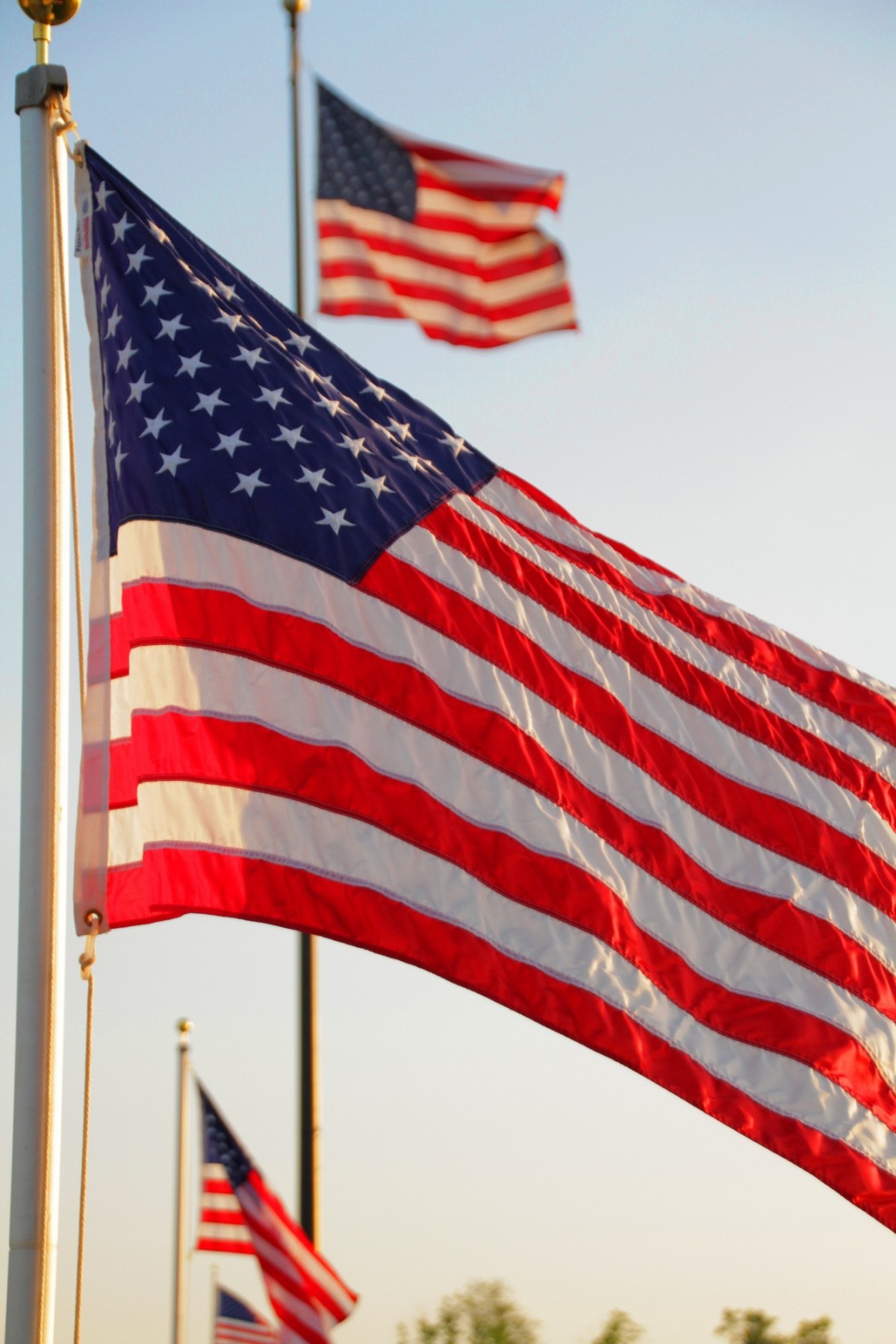
America’s Top 15 Allies Post World War II

The United States has had many allies throughout its 245-year history, they have traded with America, fought in wars alongside America, and sometimes have fought in wars against America, and have traded goods with America in the past 3 centuries. Here are America’s top allies post World War II

Britain
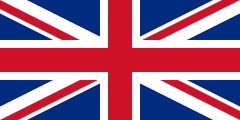
Relations between Britain and the U.S. formed two years after the Revolutionary war in 1785. The two became trading partners until the war of 1812. One year after the war ended, the relations were once again established in 1815. The two countries fought beside each other in multiple wars such as World Wars I and II, as well as the Iraq war.

The Treaty of Paris, signed in 1783, acknowledged Britain’s surrender of the Revolutionary war and established boundaries between the two countries. The Jay Treaty, which was signed in 1794, established a base upon which America could build a national economy and assure its commercial prosperity. The Treaty of Ghent ended the War of 1812, restored both countries to pre-war relations, returned prisoners, and restored the U.S. as a nation.

The two countries currently trade over $260 billion in goods. Both nations are each other’s number one source of foreign direct investment totaling up to $1 trillion. Britain is America’s 7th largest trade partner. The goods traded consist of metal, stone, minerals, fuels, machinery, and electric machinery.

France

The two countries have been allies since the American Revolutionary war as they were trading partners. France also helped America win its independence from Britain and aiding them again in the war of 1812. Both countries served side by side in both World Wars.

One of the biggest treaties the countries have co-signed would be the Treaty of Amity and Commerce, which recognized the U.S. as an independent nation and set up trade relations. Another would be the Treaty of Alliance in Paris, which provided a military alliance against Britain.

Today both countries work together to combat terrorism, and both are working to prevent Iran from developing nuclear weapons. France is also the United State’s third-largest trading partner in Europe. The trading relationship is very strong as $138 billion in goods was traded between the two countries in 2019. The goods traded consist of medical equipment, computer software, and scientific instrumentation.


Canada
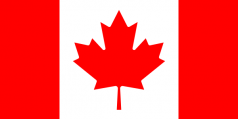
During the American Revolution, anti-American loyalists fled to Canada, and some Canadians worried about U.S. annexation. During the War of 1812, Canada’s borders were invaded by American soldiers. When the war ended, the border was demineralized, the U.S. never attempted to invade Canada and Britain stopped aiding Native American attacks on the United States.

The partnership between the U.S. and Canada is formed by geographic location, similar values, and common interests. The two countries share the largest trading relationship in the world. The secure flow of goods and resources is vital to both countries and their respective economies for their economic prosperity. The goods and services traded between the two countries are worth an estimated $718 billion, with exports coming out to $360 billion and imports $358 billion. In 2019 the surplus for goods and services traded between both countries totaled $2.4 billion.

The goods being traded consist of vehicles, machinery, mineral fuels, and plastic. Billions of dollars of fresh fruit, vegetables are also traded between the two countries.

Trade agreements between Canada and the U.S. consist of the United States-Mexico-Canada Agreement (USMCA). It creates a more level playing field for North American workers and includes improved rules of origin for cars, trucks, and other products. It also benefits North American farmers and ranchers by strengthening food and agricultural trade.

Another major trade agreement between the two countries was NAFTA. The North American Free Trade Agreement was signed by President Clinton in January of 1994, and the result was Canada, America, and Mexico became the largest free market in the world. The combined economies totaled $6 trillion and affected 365 million people. The deal also opened insurance markets, expanded trade in financial services, and increased investment opportunities.

Japan
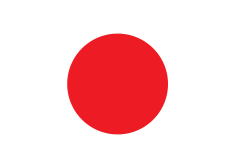
The U.S.-Japan security treaty is designed to strengthen the bonds of peace and friendship and uphold the principles of democracy, individual liberty, and the rule of law. The treaty also promotes economic cooperation and stability between the two countries. 

The two countries began relations after World War II; 2020 marked the 60th anniversary of the U.S.-Japan security alliance. Japan provides military bases as well as financial and material support for U.S. forces. The countries coordinate on a number of global issues such as global health and environmental resource protection. The two countries also collaborate on supply chains to secure a transition to a 5G network.

The U.S.-Japan security treaty is designed to strengthen the bonds of peace and friendship and uphold the principles of democracy, individual liberty, and the rule of law. The treaty also promotes economic cooperation and stability between the two countries.

South Korea
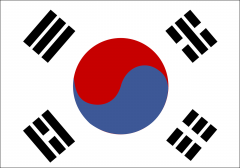
Relations between the United States and South Korea first formed during the Joseon Dynasty under the 1882 Treaty of Peace, Amity, Commerce, and Navigation. The first diplomatic trip to South Korea in U.S. history was in 1883. The relations continued until 1905, when Japan assumed direction over the country’s foreign affairs. When World War II ended in 1945, the country was divided at the 38th parallel. The two countries fought aside each other during the Korea war for three years until the war ended in a stalemate, dividing North and South Korea at the 38th parallel. Today both countries work together to prevent North Korea from acquiring nuclear weapons.

The two countries reached over $168 billion in trade in 2019; the primary goods traded consisted of manufactured goods and agricultural products. South Korea’s direct investment in the United States has tripled since 2011 and is now worth over $61 billion, making it the United States’ second-largest Asian source of foreign investment. In the last three years, Korean companies invested in automotive components, industrial equipment, and consumer electronics.

Australia
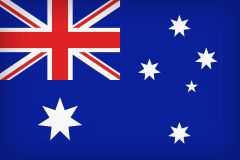
The U.S. and Australia first formed their relationship in 1918 when they fought side by side during World War I and have maintained a strong relationship ever since. In 2018 the country’s celebrated its century-long mateship. The U.S-Australia Free Trade Agreement went into effect on January 1, 2005, which has boosted U.S. exports to Australia by 80% since 2004. In 2018 all U.S. goods and services to Australia totaled $65.9 billion, with a trade surplus of $28.9 billion. According to the Department of Commerce, this agreement supports up to 250,000 U.S. jobs in sectors that include machinery, travel services, consumer goods, and financial services. In return, Australia exports food, feeds, beverages, industrial supplies and materials, and business and travel services,

Germany
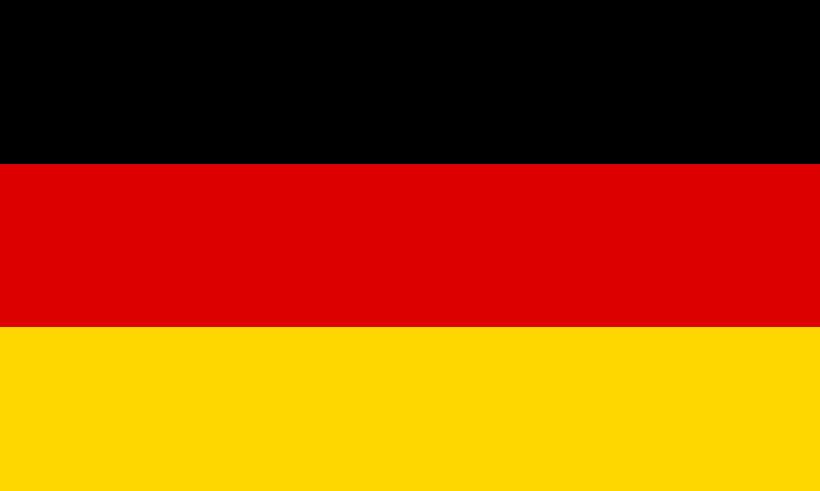
The U.S. first established relations with the German Empire in 1871; connections were terminated in 1917 when the U.S. entered World War I, reestablished again in 1921, and terminated again in 1941. When World War II ended, Germany was divided into four different parts. In 1955, the United States established relations with West Germany and East Germany in 1974; both zones were re-unified in 1990. Today Germany is one of America’s closest allies and trading partners.

In 2019 bilateral trade for goods and services totaled $260 billion, the goods being traded to Germany were aircraft and parts, vehicles, pharmaceuticals, medical equipment, and industrial machinery, with Germany exporting the very same goods to the United States. The U.S.-German Treaty of Friendship, Commerce, and Navigation provides free movement of capital between both countries. Taxation of U.S. firms within Germany is governed by a protocol for avoiding double taxation.

The Philippines

Relations with the Philippines began in 1946 and are based on a shared commitment to human rights and democracy. The 1951 mutual defense treaty between the two countries provides a foundation for a security partnership that began during World War II. They have a strong trading relationship with over $27 billion in goods and services being traded. The U.S. is one of the largest investors in the Philippines, and the Philippines is the United States’ third-largest trading partner. The key imports the U.S. receives are automobile parts, electric machinery, textiles, garments, wheat, and coconut oil. Key exports are agricultural goods, machinery, cereals, and electronics.

The two countries have had a bilateral Trade and Investment Framework Agreement, signed in 1989, that addresses bilateral issues and recognizes the importance of protecting intellectual property, and encourages technological development.

Brazil
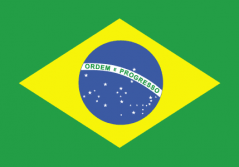
The United States was the first country to recognize Brazil as a democracy in 1822; today, the two countries are the largest democracies in the Western Hemisphere, promoting economic growth, prosperity, and international peace. Brazil is the United States’ second-largest trading partner. In 2018 two-way goods and services totaled $103.9 billion was. Last year the United States trade surplus was $20 billion for goods and services.

Brazil’s main imports from the United States are petroleum products, aircraft machinery, electronics, and optical and medical instruments. The United States is Brazil’s second-largest export market; the primary products are crude oil, aircraft iron, steel, and machinery. The U.S. Bureau of Economic Analysis reports the United States has invested over $68 billion in Brazil since 2017.

In 2011 the two countries signed the Agreement on Trade and Economic Cooperation to enhance trade between them. The deal expands our relationship by providing a framework to improve the cooperation on issues concerning trade, such as mutual concern, facilitation, and other barriers to trade.

Kenya
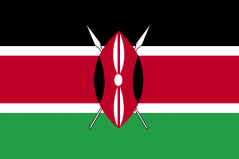
Diplomatic relations between the two countries began in 1964 following Kenya declaring their independence from Brittan in 1963. The two countries became closer after Kenya became a democracy in 2002. In July of 2020, the U.S. and Kenya announced a free trade agreement that would help small businesses promote inclusive economic growth. The deal would also help U.S. companies become more competitive in Kenya and other East African countries. The deal would also improve intellectual property protections and facilitate digital trade.

Nigeria

Relations began between Nigeria and the United States when Nigeria declared its independence from Brittan in 1960. Between 1966 and 1999, Nigeria experienced a series of military coups and a civil war that lasted for two and a half years that concluded in 1970, resulting in over a million casualties. Following the inauguration of a civilian president in 1999, the relationship between the two countries began to improve. Nigeria has the largest economy in Africa and has a population of 200 million people.

The two countries signed a Trade and Investment Framework Agreement in 2000.

The U.S. is the largest foreign investor in Nigeria; in 2019, Nigeria was the second-largest export destination totaling over $3 billion. That same year two-way trade goods totaled over $10 billion. U.S. exports to Nigeria include wheat, vehicles, machinery, kerosene, jet fuel, civilian aircrafts, and plastic.

South Africa
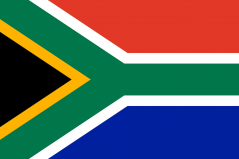
Diplomatic relations were first established in 1929, but apartheid put a strain on the established relations. When apartheid ended in 1994, the U.S. and South Africa have enjoyed a bilateral relationship. After Nelson Mandela became President, the U.S. South African Binational Commission was launched to support the rebuilding of South Africa. South Africa has struggled with many things, such as unemployment, corruption, and an HIV/AIDS epidemic. The U.S. tries to focus on improving healthcare and education, and teaching standards. Since 2004, the U.S. government has invested over $6 billion in combating HIV/AIDS via the President’s Emergency Plan for AIDS Relief.

South Africa is the largest U.S. trade partner in Africa, with a two-way goods trade totaling $14 billion. 600 U.S. businesses operate in South Africa, many of which use the country for their regional headquarters. The two countries have a bilateral treaty eliminating double taxation. In 2012 they signed a Trade and Investment Framework Agreement (TIFA) to discuss mutual interest and improving cooperation for improving trade and investment. Topics discussed range from intellectual property rights, labor and the environment.

The Development Trade Investment and Development Cooperative Agreement (TIDCA), signed in 2008, is designed to focus on trade facilitation and investment promotion between the U.S. and South Africa, as well as four other African countries such as Botswana and Namibia.

India
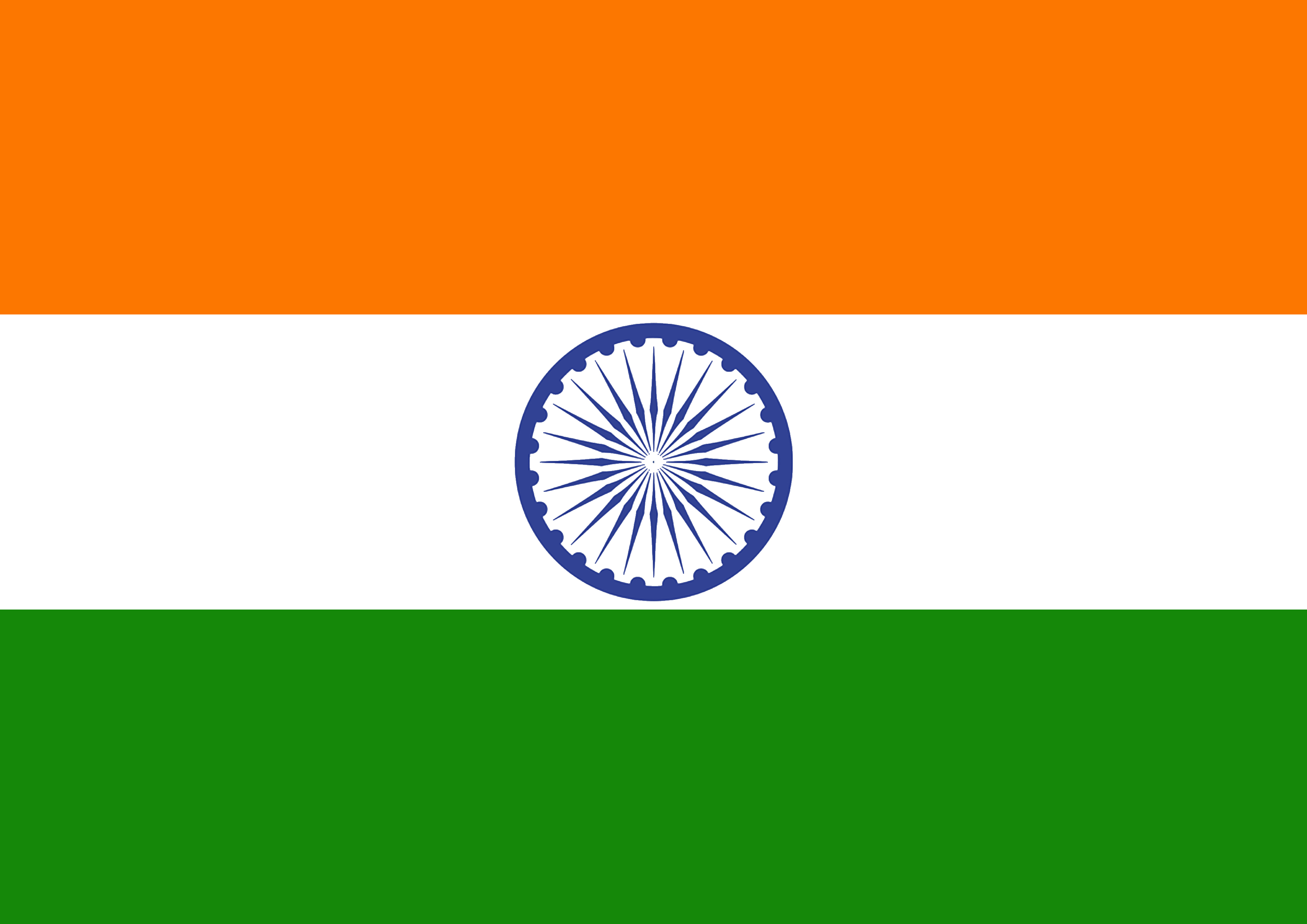
Relations with India began with India after India declared independence from Brittan in 1947 which led to the first meeting between the two countries in 1949. India took a neutral position during the cold war. This set the tone for the relations between the U.S. and India during that time, creating constraints. In 1959, President Eisenhower became the first President to visit India, where he met with President Rajendra Prasad and Prime Minister Jawaharlal Nehru. The U.S. has supported India in its war with China. When war broke out with Pakistan while Pakistan was fighting its own civil war, the U.S. sided with Islamabad.

Today the two enjoy a close relationship; in 2005, the Civil Nuclear Cooperation Initiative set guidelines for nuclear exports and nuclear trade. The relationship between the two countries is committed to freedom, democratic principles, and equal treatment of all citizens, human rights, and the rule of law. The U.S. and India trade $149 billion in goods; in 2018, India purchased over 48 million barrels of crude oil from the U.S.

Israel
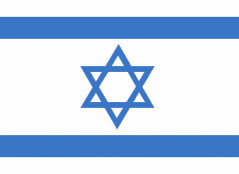
The United States first recognized Israel as a state in 1948 and was the first to recognize Jerusalem as the capital in 2017. The U.S. is the United State’s closest ally, and Israel has been a close ally of the United States for decades. The two countries are united in their commitment to economic prosperity and regional security. The United States is committed to normalizing relations between Israel and Muslim majority states.

The U.S. has been selling weapons to Israel for years; in 2016, the two countries the, Memorandum of Understanding, a ten-year weapons deal worth $3.3 billion for military financing and $500 million for missile defense. The two countries also participate in research, weapons development, and military exercises together.

The two countries trade $50 billion in goods between one another annually. The U.S.-Israel Free Trade Agreement (FTA) and the Agreement on Trade and Agricultural Products, both signed in 1985, have greatly grown trade between both countries, making the United States Israel’s largest trading partner. In 2019, American exports to Israel totaled $14.7 billion, where imports are worth $19.6 billion.

Mexico
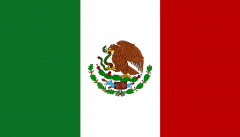
Relations between the United States and Mexico are strong as they share a 2,000-mile border together with 55 ports of entry. There is $1.7 billion in two-way trade between the two countries as Mexico’s exports rely heavily on U.S. markets. In 2019, Mexico was the second-largest supplier of crude oil to the United States, as well as the largest market for American-made petroleum products. Other Mexican exports to the U.S. include plastics, vehicles, machinery, electric machinery, and mineral fuels. The United States has invested over $114 billion in Mexico, while Mexico has invested $18.7 billion in the United States. Mexico is involved in the United States-Mexico-Canada Agreement, promoting free trade through all three countries; a key stipulation of the agreement is that it must undergo a formal review every six years. Mexico is also committed to enforcing its border as they have apprehended over 145,000 people trying to migrate to the United States in the past six months.
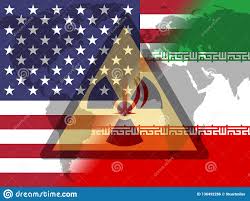
 

The Iran Nuclear Deal: Trump, Obama, Iran, and Nukes… Who Won?

The Islamic Republic of Iran has always had problems with the West led by the United States over its nuclear ambitions. Iran always considered it to be a sovereign right and a sacred duty to own a deterrence weapon to protect itself from outside aggression. However, In July 2015, Iran reached a landmark agreement over its nuclear capabilities, along with the United States, Germany, Russia, China, the United Kingdom, and France. The agreement was officially called The Joint Comprehensive Plan of Action (JCPOA), also known as the Iran Nuclear Deal. At the time when it first came out, everyone had hoped for it since it appeared to limit Iran’s nuclear aspirations, but as US President Donald Trump ascended to power in 2016, there was a lot of speculation over the deal, until he ultimately decided to officially withdraw from the agreement altogether in May 2018. So, what went wrong with the JCPOA?

Circumstances Before Iran Nuclear Deal

Before the agreement, Iran was not letting inspectors from the International Atomic Energy Agency (IAEA) to its nuclear facilities. In addition, Iran was known to be less than 12 months away from obtaining a “Turn-Key” nuclear weapon, meaning that they have mastered many parts of the fuel cycle, the weapon design, and the missile delivery system using their formidable ballistic missiles program. In the Bushehr Reactor, Iran’s only nuclear power plant, Iran had a large stockpile of uranium-235, which is the isotope needed to obtain a nuclear bomb. They also had more than 20,000 centrifuges to enrich uranium to weapons-grade. This number of centrifuges along with this large stockpile of Uranium-235 was said to be enough for 10 atomic bombs according to the Obama Administration. All they needed was to enrich the Uranium, using the centrifuges to the required level to obtain a bomb, which is about 90%.

The Terms of the JCPOA:  Iran Nuclear Deal

There is no evidence of a secret part of the JCPOA, but public information, particularly from BBC states that with the agreement in place, Iran was required to decrease the number of centrifuges by about 25% to 5,060, until 2026. It also agreed to reduce its stockpile of enriched Uranium by 98% and limit uranium enrichment to 3.67%. On top of that, it allowed access for inspectors from the IAEA to visit Iran’s nuclear facilities. According to the New York Times,  By the time President Trump took control in January 2016, The IAEA declared that Iran was following the agreement and the nuclear-related sanctions against Iran were lifted, but there were inherent issues with the deal that we will discuss further.

Problems with the Iran Nuclear Deal

President Trump was a critic of the deal even before he took power, considering the deal to be toothless with Iran, saying he will get a much stronger deal that will force Iran to comply with it.

Iran was free to leave the deal in 2026 using a sunset clause which meant they could re-engage their program in 2026 without encountering sanctions. There was a consensus among scientists that Iran would be less than 12 months away from obtaining a nuclear bomb if they followed the terms of the agreement and ended it when scheduled in 2026. This could mean that the Obama administration was just trying to solve the problem for the short term.

One of its biggest problems is that it didn’t allow adequate inspection of Iran’s Nuclear plants.  According to CBS, it would take 24 days to visit the site, in person, after requesting an inspection. These terms were overly-friendly to Iran, allowing them to hide Nuclear activities and materials within those 24 days if needed.  Remote monitoring systems do exist at certain plants like the nuclear facilities at Fordow fuel enrichment plant and the Natanz enrichment facility.  However, sensitive military sites including those that U.S. officials have suspected nuclear weapons to exist can only be visited with permission which may not be granted.

Another issue is that Iran had a formidable Ballistic missile program which includes short, medium, and long-range ballistic missiles, in addition to their newly tested inter-continental ballistic missile (ICBM)- Shahab-3- which can easily carry a nuclear warhead and reach as far as Europe. The ICBM program was not addressed in the JCPOA and it meant that Iran can move forward with its missile delivery system, and by 2026, they will have everything ready to achieve their final target, a nuclear bomb.

For a while after America’s withdrawal, Iran remained in compliance with the deal (according to the IAEA), although officially withdrawing from the agreement on January 5, 2019. With President Trump’s increasingly critical comments towards the Iranian government, and reinstating the sanctions, Iran announced that it would raise its enrichment percentage of Uranium-235 along with increasing its stockpile of the material itself, both to be above the limits defined by the JCPOA. After that, Iran announced that they will develop more advanced centrifuges to provide quicker enrichment of uranium, meaning they were trying to make up for the time lost when they were complying with the agreement.  However, according to the New York Times, Iran is still willing to return to the agreement and cooperate with the IAEA if the sanctions were lifted.

Also, the deal was not pleasing to American allies in the Middle East such as Israel and Saudi Arabia. Both these countries, especially Israel believed that this deal would take a lot of pressure off the rogue Iranian government, which the deal was called “A Historical Mistake” by Prime Minister Netanyahu of Israel. Republicans in addition to the Israelis did not like the deal because it awarded billions of dollars to a rogue regime that cannot be trusted.

Speaking of billions, it is believed that in the 1970s, Iran’s Shah regime made a weapons deal with the United States and paid $400 million for the deal at that time. However, when the Islamic revolution broke out, The US decided not to send any weapons as sanctions were placed on Iran. What happened was that Iran insisted to have that money returned to it as part of the deal and with interest. The Obama administration reportedly agreed to the proposal and made the $400 million payment in cash and shipped it to Iran in a cargo plane. The US also reportedly agreed to make interest payments that mount a total of $1.3 Billion after Iran signed the agreement. The problem here is that the $400 million payment was made to Iran while it was still under sanctions. Why did the U.S. violate its own sanctions to make a deal?  Also, why did we agree to pay interest of over a Billion dollars on sanctioned money?

Since 2016, the IAEA has issued 11 reports certifying that Iran has met its requirements under the deal. The Agency also said it has gained access to all requested sites in 2017. However, the inspections have not included military sites. Statements by Iranian leaders have concerned officials in Washington. “The Americans will take their dream of visiting our military and sensitive sites to their graves… It will never happen,” Ali Akbar Velayati, a top adviser to Supreme Leader Ayatollah Ali Khamenei, Iran’s highest authority, said in 2017.

Conclusion

The JCPOA looked like a very good deal initially but after digging deeper, many have found the following problems:

  • The inspection system does not allow visits to sensitive military sites that could harbor nuclear weapons.
  • The U.S. promised to repay $400 million of sanctioned money and billions in interest on top of it.
  • The agreement has a sunset clause allowing Iran to walk away anytime.
  • The agreement does not stop Iran from developing dangerous ballistic missiles.
  • Lastly, it’s not a permanent agreement.

In Addition, America’s two most important allies in the Middle East never agreed to it.


Putin vs Trump: How Are They Different?

Few members of the world stage are talked about quite as much as American president Donald Trump and Russian president Vladimir Putin. Both leaders preside over some of the largest countries on earth and hold tremendous power on the world stage. It’s easy to see ways in which they are similar, and lump them together, but there are many ways in which they differ. Both leaders are at the forefront of global politics. With the United States being the world’s sole superpower, it makes sense that Trump’s name is brought up constantly, whether in talks about China, the European Union or the Middle East, the United States is heavily integrated into global politics. Putin and his Russia also play a major role on the world stage, oftentimes in opposition to US interests.

Vladimir Putin has a long history of political experience in Russia. After a career as an officer in the KGB, he got into local politics in his home of Saint Petersburg. He was picked as prime minister to Boris Yeltsin in 1999 and later became acting president after Yeltsin resigned. He ran for president after and won, remaining in power ever since, currently serving his fourth term as president with one term as prime minister.  As president, Putin was charged with bringing a post-Soviet Union Russia back to global relevance. One of the world’s most polarizing leaders, many praise Putin for stabilizing Russia and bringing it back to global relevance after a tumultuous period following the fall of the Soviet Union. Many others have criticized his rule as autocratic and have referred to him as a dictator.

Donald Trump did not have the kind of military or political experience that someone like Putin had before he became president. Trump’s experience was in business and real estate, inheriting the family business and expanding it into a multinational real estate empire with the “Trump” name appearing on buildings throughout the world. While Donald Trump did not have the political experience that Putin had, he nevertheless was able to win the presidency in 2016, defeating Democratic candidate Hillary Clinton. He is currently running for reelection, with the November 2020 election determining if his term as president will end or be extended for four more years.

Though it is difficult to compare two countries with vastly different political systems, cultures and histories, there are clear differences between the two styles of leadership from the American and Russian leaders, starting with their personalities. Putin is typically more reserved and calm, more calculated than his American counterpart who often comes across as bombastic, with many instances of him resorting to name calling and inflammatory remarks over social media. This may be a result of Putin’s many years in politics on the world stage, as opposed to Trump who had never held office until his election in 2016.

Their Foreign Policy Differences

One of the key differences between the two lies in their foreign policy. US interests often find themselves in opposition to Russian interests. While the US ramps up its trade war with China, Russia and China continue to increase their cooperation as members of the BRICS alliance. Military involvement in Syria has nearly caused confrontation between the two countries as the USA supports the rebels operating in the country while Russia supports President Bashar al-Assad. In regards to their political alliances, the US remains a member of NATO, despite President Trump’s calls to remove the US from the organization due to what he perceives as lack of effort and funding by other member countries. Putin has repeatedly criticized NATO for creeping toward Russia as more members join the organization. As the US continues its cooperation with the European Union, Russia works with the Eurasian Economic Union, comprised of many former Soviet states. While Trump’s USA increases sanctions on Russia and its partners, Russia continually finds itself allying closer and closer with countries the US sees as problematic such as Syria, Iran, China, North Korea and Venezuela.

Trump made it clear since before he was even elected that he intended to follow an “America First” policy, and as a result has withdrawn the United States from several international organizations and treaties that he felt were not beneficial or taking advantage of the United States. During his presidency, the US has withdrawn from the Paris Agreement, the Trans-Pacific Partnership, the UN Human Rights Council, the World Health Organization, the Iran Nuclear Agreement as well as others. Trump has repeatedly criticized NATO and expressed interest in removing the US from the organization. Putin’s Russia knows the importance of international cooperation, especially as a result of sanctions by the United States, the European Union and others. While the US sees China as an opponent, Russia sees them as a partner.

While both countries have long histories of foreign military involvement, Trump’s approach has been different from his predecessor, Obama. Trump has ordered the withdrawal of troops from Syria and Afghanistan, as well as expressing interest in removing US military bases in Germany. Putin is no stranger to Russian military involvement in other countries. Most notably, Russia was involved in the annexation of Crimea from Ukraine as well as its role in the Ukrainian civil war which drew the ire of the international community. Russian military involvement in Georgia and Syria also occurred while Putin was either president or prime minister of Russia. Trump’s stances on military intervention have won him the praise of many as well as the condemnation of others.

Dealing with the Press

One of the major differences between the two leaders is how both Trump and Putin have dealt with the press and media. Trump lashing out at media outlets is a common occurrence, with news outlets such as CNN receiving the most ire. Trump has expressed his disdain with mainstream media, which he has often referred to as “Lame Stream Media”. Accusations of being “fake news” have been common during his time in office. Despite his attacks on media outlets, the United States does not have a state run media outlet and is ranked as a “free” country when it comes to freedom of speech. Putin’s Russia has tight control over the media, with numerous state run media outlets. Russia has repeatedly been accused of being unfree with censorship of journalists and the internet. Accusations of Putin silencing and even having journalists assassinated have occurred throughout his years in power. Among the most notable is the death of journalist Alexander Litvinenko. Litvinenko, who was extremely critical of Putin, was poisoned while residing in the United Kingdom. Numerous investigations have accused Putin and those close to him of ordering the assassination. Censorship in Russia has been a hotly debated topic during Putin’s many years in power.

Both Trump and Putin hold great power when it comes to international politics, but similarities beyond being the elected officials of their country are far fewer than the differences between the two and their leadership styles. While Trump may have no issue being loud and even abrasive as he calls out a political opponent, Putin would be calm and controlled, as he has been dating back decades to his time as a member of the KGB. What is certain is that both are at the forefront of global politics. With 2020 being an election year in the US, it remains to be seen if we’re seeing the end of Trump’s time in power, or if we’re only halfway through.


How US Nuclear Policy Has Changed

“Every man, woman and child lives under a nuclear sword of Damocles, hanging by the slenderest of threads, capable of being cut at any moment by accident or miscalculation or by madness. The weapons of war must be abolished before they abolish us.”  John F. Kennedy, Address Before the General Assembly of the United Nations, New York City, September 25, 1961.

The path to arms control began with John F. Kennedy in the 1960s. In contrast to his predecessors—one of whom is the only president to order a nuclear strike on another country, and the other who adopted a policy of nuclear deterrence and mutually assured destruction—Kennedy argued for de-escalation or at the very least stabilization of the nuclear situation. His policies saw the adoption of the Limited Test Ban Treaty (LTBT), the first true restriction on the nuclear arsenal, which banned nuclear testing in the atmosphere, outer space, and underwater, but did not place any restrictions on underground testing.

“…reason and sanity have prevailed to reduce the danger and to greatly lessen the fear…The conclusion of this treaty encourages the hope that other steps may be taken toward a peaceful world.”Lyndon B. Johnson on the signing of the Nuclear Non-Proliferation treaty, June 30, 1968.

Kennedy’s policies were continued by Johnson, concerned with averting the specter of nuclear war. He made efforts to reduce tensions in Europe between the United States and the Soviet Union, and his administration signed both the Outer Space Treaty—banning the placement or use of nuclear weapons in outer space or on any celestial body—and the Nuclear Non-Proliferation Treaty (NPT). The NPT was a landmark agreement, which sought to restrict the advent of nuclear weapons to only five countries—the US, USSR, UK, France, and China—and prevent any others from acquiring such weapons.

“Today may well be remembered as the beginning of a new era in which all nations will devote more of their energies and their resources not to the weapons of war, but to the works of peace”Richard Nixon in a televised announcement on SALT I, May 20, 1971.

Though Nixon was viewed as a hawkish negotiator, he too sought détente on the topic of nuclear weapons, and his administration saw the signing of the Anti Ballistic Missile Treaty (ABM) and the Strategic Arms Limitations Talks (SALT I). SALT I saw both countries agree to maintain their nuclear arsenals at current capabilities, though the ABM maintained the ideal of mutually-assured destruction by limiting the number of missile defenses each country could maintain. (Both Nixon and his Soviet counterpart believed that the fragile balance of peace could be disrupted by one side developing an adequate defense against ballistic missiles).

“I believe it is far better to seek negotiations…than to permit a runaway nuclear arms race and risk a nuclear holocaust.”Gerald Ford, February 10, 1976.

Ford continued Nixon’s policies with the Vladivostok Summit on Arms Control, largely seen as a continuation of SALT I. During the summit, the US and the Soviet Union agreed to a limit on the number of aggregate weapons—SALT I had limited the total number of ballistic missiles but not other types of nuclear deployment, and a framework had to be created to account for the fact that the US and USSR had developed different types of nuclear strike systems. However, Ford faced political pushback at home for the summit—Ronald Reagan accused him of yielding to Soviet pressure, and Secretary of State Henry Kissinger stated that many believed “agreement with the Soviets was more dangerous than stalemate, even after a successful summit”.

“Between nations armed with thousands of thermonuclear weapons – each one capable of causing unimaginable destruction – there can be no more cycles of both war and peace. There can only be peace.”Jimmy Carter, on the signing of SALT II, June 18, 1979

Though Carter called for a reduction in defense funding, his administration worked to modernize and develop the US nuclear arsenal in response to Soviet deployment of new missiles. His largest accomplishment in terms of nuclear weapons and treaties was his negotiation of SALT II, which sought to reduce, rather than simply maintain, the number of nuclear weapons the US and the Soviet Union maintained. Though both nations agreed to abide by SALT II, the agreement was never signed, as it was opposed by Republicans and conservative Democrats, and the Soviet invasion of Afghanistan forestalled any talk of agreement.

“A nuclear war cannot be won and must never be fought.”Ronald Reagan, Radio Address to the Nation on Nuclear Weapons, April 17, 1982

Reagan came into office as a critic of arms control, describing the above SALT II talks as “fatally flawed,” but he gradually amended his positions as a result of public opinion and concern about the possibility of nuclear war. He oversaw the signing of the Intermediate-Range Nuclear Forces (INF) Treaty, backed by most European states, which banned weapons with a range of 500-5500 kilometers (as Heather Hulburt states, “The trick about missiles with that range is that, launched from the continental U.S., they don’t hit Russia; launched from Russia, they don’t hit the U.S. Launched from either, they target Europe”).

“For the first time in 35 years, our strategic bombers stand down. No longer are they on ’round-the-clock alert. Tomorrow our children will go to school and….they won’t have, as my children did, air raid drills in which they crawl under their desks and cover their heads in case of nuclear war…the long, drawn-out dread is over.” George H.W. Bush, in the 1992 State of the Union Address, January 28, 1992

The first Bush oversaw the programs known as the Presidential Nuclear Initiatives, which were unilateral steps to reduce nuclear weapons systems at a scale never seen before: bombers were taken off alert, short-range missiles and artillery were withdrawn and destroyed, most naval nuclear weapons were withdrawn, and several nuclear programs were canceled. Bush announced these steps as the Cold War came to an end and the Soviet Union dissolved, though he also signed START I, called the most complex arms-control treaty in history, to reduce the number of nuclear weapons held by both the USSR (once it dissolved, the signatories were Russia, Belarus, Ukraine, and Kazakhstan) and the United States.

“We need to continue the negotiations to reduce nuclear arsenals…We need to stop this proliferation of weapons of mass destruction.”Bill Clinton, in the 1992 Presidential Debates, October 11, 1992.

Clinton’s tenure was marked by a deep opposition to nuclear treaties from a hostile Senate. He signed START II, which prevented the use of potentially destabilizing MIRV weapons on intercontinental ballistic missiles, but by the time the Russians ratified it, the United States would not pass it. He also signed the Comprehensive Test Ban Treaty, which prevented all signatory nations from conducting nuclear tests. Though the Senate once again opposed ratification, Clinton pledged that the United States would abide by its terms and refuse to conduct any nuclear tests—a policy which has been in effect since 1992.

“Our nations must spare no effort at preventing all forms of proliferation”George W. Bush on the signing of SORT, May 24, 2002

In contrast to his father, the second Bush had a much more mixed approach to nuclear policy. As a candidate, he called nuclear missiles “obsolete weapons of dead conflicts” and pledged to make reductions in the US and nuclear arsenals, continuing the push started by H.W.’s Presidential Nuclear Initiatives. He signed the Strategic Offensive Reductions Treaty (SORT), which implemented some of that reduction, though it was criticized for having few benchmarks by which the reduction in nuclear arms could be measured. His most drastic departure from previous policy, however, was the withdrawal of the US from the Anti-Ballistic Missile Treaty and the recommendation by his National Strategies that opened the door for the United States to conduct a pre-emptive strike, rather than using nuclear weapons only as deterrence.

“The existence of thousands of nuclear weapons is the most dangerous legacy of the Cold War…I state clearly and with conviction America’s commitment to seek the peace and security of a world without nuclear weapons.”Barack Obama, speaking to the citizens of Prague on April 5, 2009

In the early years of his presidency, Obama was criticized as ‘idealistic’ for his calls for a world without nuclear weapons, that trying to maintain deterrence and convince other nations to give up their own missiles was an impossible task. And it proved to be. Though he signed New START, which replaced SORT and was seen as a continuation to START I, START II, and START III (the third never left the negotiations stage) that limited the number of warheads the US and Russia could contain, many have concluded that his administration fell short on its goal of non-proliferation. Instead, and in response to Russia’s own actions, the US spent much of the budget allocated to nuclear weapons on modernizing the arsenal rather than pushing for de-armament. And like Clinton before him, he faced serious opposition from Congress, who opposed his 2015 deal with Iran that halted the country’s progress towards obtaining nuclear materials.

“My first order as President was to renovate and modernize our nuclear arsenal. It is now far stronger and more powerful than ever before…there will never be a time that we are not the most powerful nation in the world!”  – Donald Trump on Twitter, August 9, 2017

Against this half-century of bipartisan opposition to nuclear weapons, the multilateral efforts from the United States, Russia, Europe, and other nuclear-armed or -aspiring countries to reduce the arsenals, Trump has dismantled treaties and once again sparked worries of a nuclear conflict with his threats to countries like Iran and North Korea.

As a presidential candidate, Trump was contrasted with Hillary Clinton, who many feared (or at least claimed) would lead the US into another war. His statements on nuclear weapons during the campaign were ever-shifting, but seemed to favor at least some form of disarmament: he stated that “I will be the last to use nuclear weapons. It’s a horror to use nuclear weapons,” and that the biggest problem facing the world was nuclear proliferation; in separate interviews, though, he stated that he “could not take anything off the table”, and would be prepared to use a nuclear bomb in Europe if necessary.

In terms of policy, his administration has withdrawn from many of the treaties his predecessors worked to achieve—allowing the US to upgrade and expand its nuclear arsenal, but also pushing the world towards a more dangerous form of brinksmanship that the Cold War characterized. Early in his administration, he withdrew from the nuclear deal with Iran—the country has since expanded its nuclear capabilities and enlarged its stockpile of enriched uranium. The Trump administration has also left the INF treaty and the Open Skies Treaty, both times claiming that Russia was already violating its terms, and that leaving the treaty would allow a new agreement to be negotiated that would include China as well. So far, no negotiations have begun.

Most recently, the Trump administration has indicated a willingness to move forwards with nuclear testing in violation of the Comprehensive Test Ban Treaty. Once again, it follows as-yet unsubstantiated claims that Russia and China are conducting their own low-yield tests and that the US’ ability to conduct rapid tests is necessary to intimidate rivals into renegotiating any deal between the three powers.

Trump has drawn heavy criticism from congressional Democrats for these moves: Adam Smith, who chairs the House Armed Services Committee, has called for a policy which reduces the number of nuclear weapons and the probability of conflict, and representatives from many Western states where new testing is likely to take place have moved to ban any sort of funding being used for explosive testing; ranking Senate Democrats on the Armed Services, Foreign Affairs, and Intelligence Committees called for the administration to remain in the INF; and the president’s 2020 opponent, Joe Biden, has called the new proposal by the administration “as reckless as it is dangerous.”

The United States has long been seen as the largest arbiter of nuclear policy among countries—and as Senators Jack Reed and Carl Levin wrote in 2004, “the US is more often imitated than obeyed.” Backing out of these treaties gives the US more space to expand weapons capabilities, but it gives that same freedom to all other nations—freedom that, as previous presidents can attest, cannot be easily contained.

How South Korea is Beating COVID-19

With the world on Coronavirus (COVID-19) lockdown and the United States on the verge of mass quarantine, one country has been holding out despite being neighbors with where the virus started. South Korea has proven to be holding out rather well in these turbulent times.

Some of the possible factors contributing to their success in stopping this is their culture, technology, and demographics. This is on top of the early preventive measures they took before Coronavirus became a pandemic.

Culture

“[Koreans] are generally very hygenic in everyday life.” Said Bill (Sungwoo) Kang, a Native Korean living in the US, “people do not act individually, but for the benefit of the family and the culture.” 

He states that they are unique because they don’t necessarily follow the rules or laws set in place, but rather act on the culture itself and the focus of the collective. Another Unique aspect is that Korea has been invaded but has never directly invaded others. This, along with previous outbreaks has given and taught them to bond together in times of crises.  

“The social constructions, from government to citizens, are based on Confucianism,” Said Glen Tromeur, an Asian studies major at BYU. “This gives them a sense of responsibility to society as a whole.” She goes on to say that Christianity is based more on love where Confucianism is based off of order and efficiency.

This is shown in how the government in Korea is also not doing mandatory quarantining for those without symptoms, but people are quarantining themselves anyway. Those who have the virus are required to stay put and face up to 3 million Won ($2,500) fine. 

Technology

South Korea is the place to be for cutting edge tech and they are using this to their advantage. According to ABC and BBC, Korea has put to use thermal imaging in airports and major public areas to monitor for high body temperatures and fever. Implementing this procedure back in January at airports, if someone showed a higher than usual body temperature, they would pull them aside and test.

There is also the testing that they have created that is relatively cheap and accurate. Developing contingencies after the MERS outbreak back in 2015, they have been able to successfully test over 250,000 people according to the CDC. Compared to the states that only have the rate of 100 per million, the rate South Korea is testing is roughly 5,200 per million.

They have also implemented social media sharing to help stop the spread as well. According to Sciencemag, when someone is tested positive for coronavirus their cell phone, credit card history and a personal story are used to reconstruct their whereabouts. When they have a grasp on what the person has done they post this to social media apps with personal information stripped. This gives those who may have been around the person or area they were in the ability to screen and catch symptoms early.

Demographics

Korea also has a low population of elderly. According to a study done by the UN only 18.7% of the population is over 60 (the age most susceptible to the virus). The median age is 43; this puts most the population well below the danger mark in terms of age.

All of these are keeping South Korea fairly safe. Whether this holds out or not is yet to be seen, but so far they may continue to be one of the least effected.

Obama Vs. Trump, What They Accomplished

With the 2020 elections right around the corner, and Trump‘s impeachment trial finally behind us, we want to reflect on the past of what Trump has done during his reign as President.

According to Politifact, Obama kept more promises during his time as president, though he had two terms to work with. Trump’s administration has more in the works that may go unfulfilled if not elected for a second term.

Trump’s Term So Far

Trump has tried to dip his finger into every pie with his promises. Everything from Tax cuts to cutting funding for planned parenthood. This has created both benefits and controversy.

Some of the recent things Trump has accomplished is that he ordered and killed Iranian general Qassem Soleimani, who was responsible for the deaths of many US troops.

Trump was also the first president to sit and talk with one of the most dangerous men in the world, Kim Jong-un, to try and barter peace. He has recently revealed a peace deal for Israel and Palestine, though it was quickly rejected by both countries.

What drove Trump’s campaign is immigration. Stating he will reverse Obama’s DAPA and DACA orders, but only successfully eliminating DAPA. The other and most iconic is the wall that he wanted Mexico to pay for to further solidify the border. This has been an undertaking which will most likely go unfinished if not re-elected. The most recent development from that front is a section of the wall collapsing towards Mexico.

There is also the large anti-Muslim factor to his immigration standards that fell through since his time in office. Originally wanting to “Ban Muslims from entering the U.S.,” by creating executive orders. If claimed that it was for national security, the supreme court said that it could be done. Though many Americans and world leaders didn’t like this idea of a “Muslim ban,” Trump did meet in the middle and enacted a travel ban that targeted “terror prone” places such as “Iran, Libya, Somalia, Syria, Yemen, North Korea and Venezuela,” according to an article by Miriam Valverde of politifact.com.

Eliminating and cutting taxes was another big driver in his campaign, with which he has been able to achieve. One such act is the Tax Cut and Jobs Act of 2017. Though this act did reduce taxes for income brackets across the board according to the Tax Foundation, “bringing jobs back to America ” is a tall order for internationally based companies. Companies like Apple had to repatriate billions of dollars in offshore shares, losing millions if not billions in the process of converting currency and foreign tax.

Trump’s tariffs have created backlash when they were enacted creating higher pricing for industries that rely on foreign industry. Retailers such as Best Buy took a 20% drop in stock prices due to roughly 60% of their stock being Chinese manufactured. Though both have been in a trade war, there are rumors China will cut tariffs by 50% for imported goods.

Under Trump the economy has been slightly boosted. stock market and GDP have been on a steady rise while unemployment has been reduced. He has saved $33 billion by cutting and repealing regulations according to Heritage.org.

Finally he promised to expand the military efforts in the middle east, expanding the Navy by capping to 350 ships and submarines, adding to the Air Force over a thousand new fighter aircraft, and building the Marine corp to 36 battalions. He asked for the removal of troops from Syria. He also followed through with his promise to beef up military action in the middle east, deploying more than 14,000 troops to Afghanistan. the number has risen with the recent attack on the US embassy in Iraq, adding another 750 to the roughly 5,200 deployed there.

Obama’s Time in Office

Obama accomplished a lot in his 8 years as president. No president is perfect, and Obama had many blunders along with other liberal policy enactments and accomplishments.

First and foremost is Obama’s legacy on healthcare, The Affordable Care Act or Obamacare. This act mandated that every citizen of the United States was required to have health insurance or pay a fine (recently redacted fine when the Tax Cut and Jobs act passed). It did much more than that as it put caps on co-pays, restricted the ability for insurers to deny coverage to those with severe illness and so forth. Many people however found it a burden on the Taxpayer as Obamacare forced others to pay for insurance for someone else. Insurance premiums in most cases more than doubled or tripled, making it very unaffordable healthcare.

Obama was the president who was in office when the man who orchestrated the 9/11 attacks, Osama Bin Laden, was killed. He was pulling troops from the area when this act crippled Al-Qaeda. Some argue that by leaving Iraq at this crucial moment this gave ISIS time to establish and claim dominance as the new world terror.

His other most controversial act was to reduce military and nuclear arms in US possession as close to zero as possible. By the end of Obama’s second term, the administration was able to decommission roughly 553 nuclear arms. The stockpile was at 4,018 by the end of his term. He was also the first US president to visit the Hiroshima bomb site.

Obama also tried to fuel the US economy, but instead of focusing on big business he created the JOBS Act, which would help small businesses and start-up. Some aspects regulated crowdfunding and investing. This would make it more difficult for one investor to make all the decisions and allow for more diverse input.

He also had the Dodd Frank Act, which targeted agencies that supposedly caused the recession and financial crisis in 2008. This act targeted large companies and liquidated assets from them to prevent the collapse of the stock market in the event of the companies failure. This also heavily regulated banks from investing financial assets, limiting a banks growth but supposedly protecting consumer investment in the bank.

Obama was also a large advocate for climate reform. Pushing hard on regulating oil, methane, coal and other fossil fuels, Obama pushed for clean energy. Regulations such as the Clean Power Plan required states to reduce carbon emission as they see fit, so long as it is done. Also helped regulate deep water drilling after the BP oil spill.

The Common Ground

What do Trump and Obama have in common? According to FRED (Federal Reserve) he and Obama have both had somewhat positive effects on the economy. Both lowered unemployment rate, raised GDP and both had negative effects like raising the national debt. They both helped boost wages, jobs, and reduce unemployment.

Democrats Foreign Policy Comparison – 2020 Presidential Election

Ahead of the next January debate, democratic politicians are re-examining their foreign policy perspectives as the race continues to intensify. Below is a comprehensive politician comparison and analysis of the remaining candidates and their ambitions when it comes to American international relationships.

Michael Bennet

Michael Bennet believes in an “America first” policy when it comes to international relations, seeking to strengthen United States cyber operations as well as the United States military power. However, Michael Bennet failed to qualify for the third presidential debate held in September of 2019 but has yet to drop out of the presidential race.

Joe Biden

Joe Biden believes in leading by example. When faced with increasing foreign tensions, Biden seeks to establish the United States as the global hegemon. However, when faced with an authoritarian crisis such as the assassination of Saudi dissident journalist, Jamal Khashoggi, Biden offered no concrete policy, simply insisting that he would hear how Saudi Arabia would change their approaches to be more democratic in style. Reinvesting in the middle class and strengthening our economy should be our top priorities through international policy, he says, vowing to make deals and establish negotiations with foreign nations that only help, not hurt, Americas struggling middle class.  Biden’s first moves, if elected, would be to re-enter both the JCPOA and the Paris Climate Accord, whilst returning troops deployed to Afghanistan home.

Michael Bloomberg

Michael Bloomberg shares more moderate views when it comes to international tensions. Bloomberg aims to increase trade between the U.S. and China, whilst simultaneously lowering tariffs and sanctions. In turn, Bloomberg proposes increasing economic sanctions upon Russia and increasing the amount of aid provided to Ukraine. Bloomberg hopes to reaffirm “undermined” alliances in order to strengthen ties and cooperation when it comes to countries like North Korea.

Cory Booker

Cory Booker aims to progress international relations and promote national security. Booker is an ardent supporter of Israel and calls for expanding cooperative defense programs alongside Israel. In addition to defense programs, Booker maintains his focus on creating international cooperation when it comes to counter terrorism projects, believing all countries may reap the benefits.

Pete Buttigieg

Pete Buttigieg proposes reliance on newly founded international relationships as well as a balance of independence to stabilize international tensions. Buttigieg encourages increasing the economic independency of the United States and reducing the impact global powers, such as China, have on the national economy. In response to global issues involving Saudi Arabia and assassinated journalist, Jamal Khashoggi, Buttigieg proposes shutting of the Saudi government from the purchase of licensed United States military weapons. Buttigieg also sees reason with reaffirming relationships with allies, such as Israel but whilst laying the groundwork for increased communication and de-escalation.

Julian Castro

Julian Castro’s main foreign policy objective is promoting multilateralism as well as amending already existent foreign policy to compliment present day challenges. When addressing authoritarian powers such as China and Hong Kong tensions, Castro proposes high sanctions and global cooperation. In a Politician Comparison Castro was found to have the most principled perspectives. “America has fought for far too long with our own narrow-minded interests,” says Castro, instead seeking to guide America in a direction that parallels universal values. Castro remains the most progressive candidate, seeking to embody core American values and share our own unalienable rights through foreign policies.

John Delaney

John Delaney advocates for global cooperation when it comes to addressing international tensions. With the U.S.- China trade war coming to a slow, Delaney had proposed a collective of global powers creating an allied coalition against intellectual property theft, what he sees as the primary cause for the trade deficit. However, John Delaney failed to qualify for the third presidential debate held in September of 2019 but is yet to drop out of the race.

Tulsi Gabbard

Tulsi Gabbard seeks to promote national safety whilst aiding American allies with shared goals. In issues relating to authoritarianism, Tulsi Gabbard takes a headstrong approach. Gabbard seeks to shut down relationships with the Saudi government in response to state sponsored terrorism. Furthermore, Gabbard has been vocal against U.S. regime change war policy, believing it has proven as a reckless form of warmongering. Major policies will be proposed that help keep American jobs at home, she says.

Amy Klobuchar

Amy Klobuchar aims to align with global powers with multilateral decision making. Klobuchar’s main goal is reinstating initiatives that have been left unfulfilled through the past presidency. Major agreements include the Paris Climate Accord and the TPP. Klobuchar also maintains her position on reducing military spending and increasing funding for cybersecurity, a defensive strategy, she says, the United States lags behind.

Deval Patrick

Deval Patrick views his possible presidency as a chance to reinvest in American allies and expand trade. On international global powers, such as China, Patrick hopes to decrease foreign tariffs and increase trade relationships both with the middle east and China. Patrick hopes to further support Israel and increase negotiations and presence in Venezuela. Deval Patrick has failed to qualify for any of the debates but is yet to drop out of the race.

Bernie Sanders

Bernie Sanders seeks to use United States relationships alongside allies to set global precedent on political correctness and progressive actions. Regarding authoritarian tensions such as that between China and Hong Kong, Sanders takes a soft willed approach, hoping that his administration and reinforced ally ships will help make clear proper democratic values and may influence Chinese conduct. Sanders vows to only make international trade deals that aid in American job growth rather than hurting America’s middle class, a process, he says, was stunted by the TPP.

Tom Steyer

Tom Steyer hopes to reinforce relationships with American allies and centers his foreign policy on addressing the global impacts of climate change. Steyer insists that trade isolation is not possible with global powers, namely China, but when addressing topics of tension such as Hong Kong, Steyer proposes creating a coalition of global powers that may be able to push back on China. Seeking a bilateral solution is not the answer, he believes. Steyer supports multilateralism and is firm that the “America First” ideal will not be conducive with foreign relations.

Elizabeth Warren

Elizabeth Warren believes in setting healthy foreign relationships with United States allies whilst addressing greater global tensions. Regarding both Saudi Arabia and China, Warren proposes setting firm expectations for foreign relationships, and limiting those relationships when American values are infringed upon. In inter-country tensions, such as those between Russia and Ukraine, Warren says her administration will aid in setting up talks, but ultimately peace negotiations will have to be conducted between those two countries alone, she adds. Warren maintains that her presidency will prioritize working families over multinational corporations when it comes to foreign policies.

Marianne Williamson

Marianne Williamson hopes to use foreign allies in order to reinforce the United States influence on public democracy and to share core American values. Addressing international global powers, such as China, would be contingent on their conduct, she says. Proposing that the United States could block the global sales of instrumental companies in order to defend American interests. Furthermore, Williamson proposes a renewed version of the TPP if it protects American workers and doesn’t invest in jobs overseas. Williamson has also failed to attend the past four debates but is yet to drop out of the race.

Andrew Yang

Yang proposes a reset of international relations in order to more closely mirror American values. In order to address global tensions, such as those with Saudi Arabia, Yang says that the United States must re-establish relations with clear expectations in mind. Yang also proposes on using ally relationships to create a united vocal stance against outside powers that engage in foreign misconduct. Furthermore, with regards to the TPP Yang will rejoin the TPP alongside the implementation of other policies that share the benefits, he says.

With the upcoming 2020 election, positions on foreign policy are becoming increasingly important, deciding whether United States can maintain its Superpower status and guide the world in setting the international agenda on trade, monetary, and human rights fronts, a key role which the next president will have to fulfill. The democratic candidates each differ in the severity of their foreign policy and the reformations they propose. The candidates fall on all ends of the spectrum, from a band-aid like perspective on foreign policy to an outright transformation of the way America interacts with foreign nations.

Khashoggi: America’s Loss

This piece on Jamal Khashoggi seeks to reflect the ideas portrayed in Thoreau’s Civil Disobedience. Though Thoreau’s ideas were published in 1849, his central claims maintain a key role in the American narrative today. In a modern perspective, Jamal Khashoggi is the martyr for the Civil Disobedience movement. Jamal Khashoggi was a Saudi dissident who dedicated his life to political reform for the people, by the people. Khashoggi was a columnist for the Washington Post and was outspoken against the Saudi crown and it’s repeated egregious human rights infringements, continuing to expose and persuade his audience to create a presence and make change. However, this very quality of exposure led to his assassination as he was killed and dismembered in the Saudi Consulate of Istanbul.

Khashoggi embodies Thoreau’s ideals as he seeks to inform every American and every person whom he can reach of his own experiences and hopes. Khashoggi becomes the modern day messenger of Thoreau’s principles as Thoreau says, “Let every man make it known what kind of government would command his respect, and that will be one step toward obtaining it.” (Civil Disobedience) Khashoggi spent his life’s work dedicated to informing and highlighting the injustices he and others suffered from. Khashoggi has made clear what kind of government will demand his respect. The only lingering question is whether we will listen.

Khashoggi’s death lead to subsequent articles and calls against the Saudi Government, but few came from the people themselves. It is simply indolent to claim that we as Americans “recognize [our] right to revolution”, for in the own words of Thoreau, “almost all [of us] say such is not the case now.” If the Washington Post and Jamal Khashoggi live by the words “democracy dies in darkness” then we as spectators must live the line of Thoreau: “[for] a man has not everything to do, but something.”

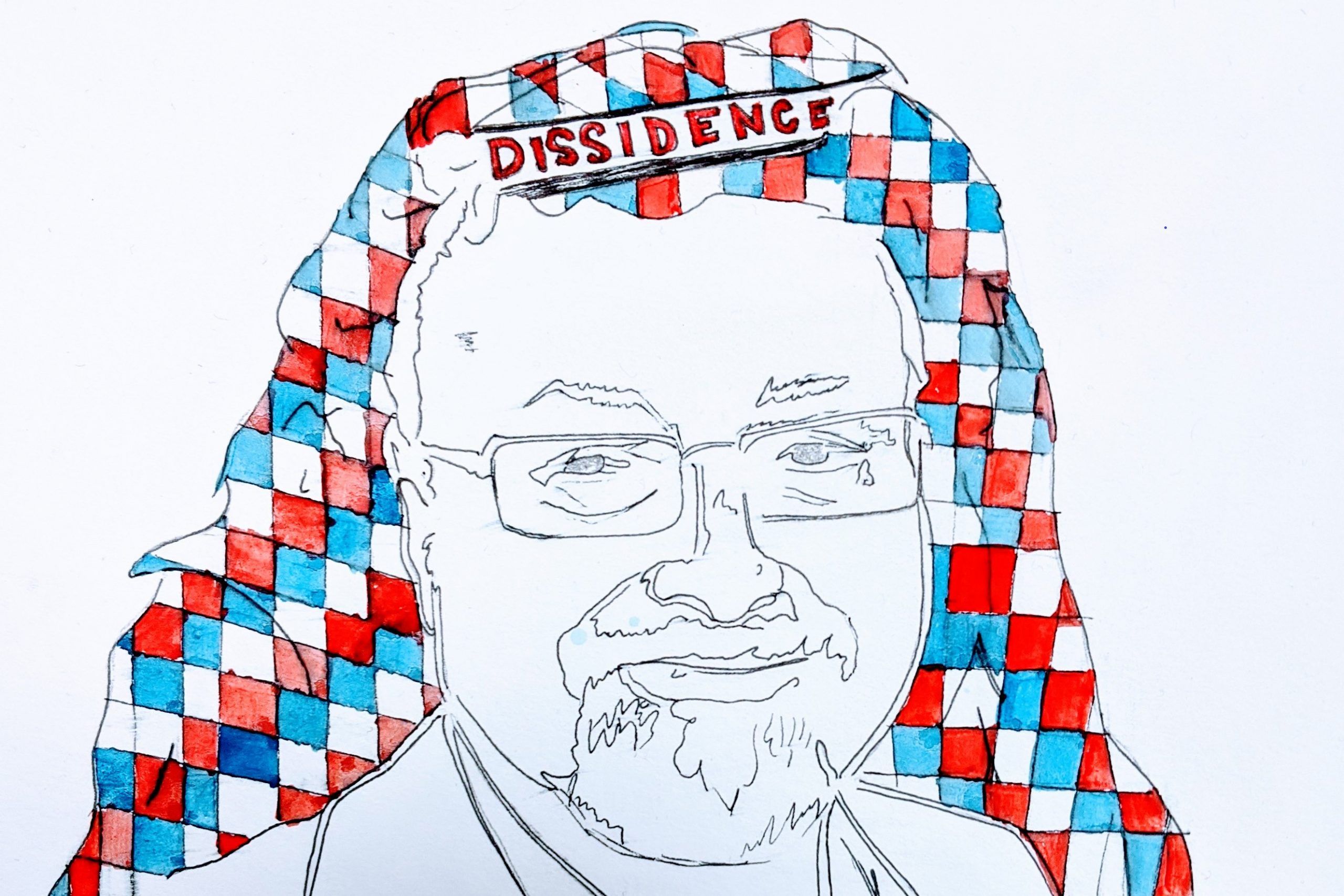
This art piece illustrates Jamal Khashoggi in his traditional checkered Keffiyeh, but in the colors of the American flag: red, white, and blue. The colors serve as the reminder for what Khashoggi fought and died for, the proliferation of American values. Khashoggi received a haven writing for the Washington post, and we as Americans must continue to defend those ideals that give America her maternal characteristics. Free speech and the right to peaceably protest are the government granted intrinsic qualities of Americans, but in Khashoggi’s own words, “it isn’t just the Middle East where freedom of expression is in jeopardy” (Washington Post, Khashoggi’s final column). Despite the rising denunciation from news organizations, Khashoggi’s assassination failed to bring the condemnation of the most paramount power on this planet, The United States Federal Government. In the weeks following Khashoggi’s death, his life was a story unwritten and unread.

The American people seem to have grown accustomed to solely absorbing horrific narratives that end with an oddly optimistic note. Jamal Khashoggi’s life will not follow this pattern. We as Americans must force ourselves to listen to the jarring minor discord that is now part of all our lives. Jamal Khashoggi was the modern-day flag bearer for the first amendment, but for now, it seems as though that flag is now a tattered, ripped piece of cloth that whips through the sky. If anyone is to ever carry that flag above their shoulders again, they will be forced to think twice.